EZ9A061730081 Reset & Teardown (FCC ID 2BM76EZ9A061730081)
Factory reset and internal photos for Zemismart EZ9A061730081. Tuya / Smart Life smart plug.
January 15, 2026
•
8 read
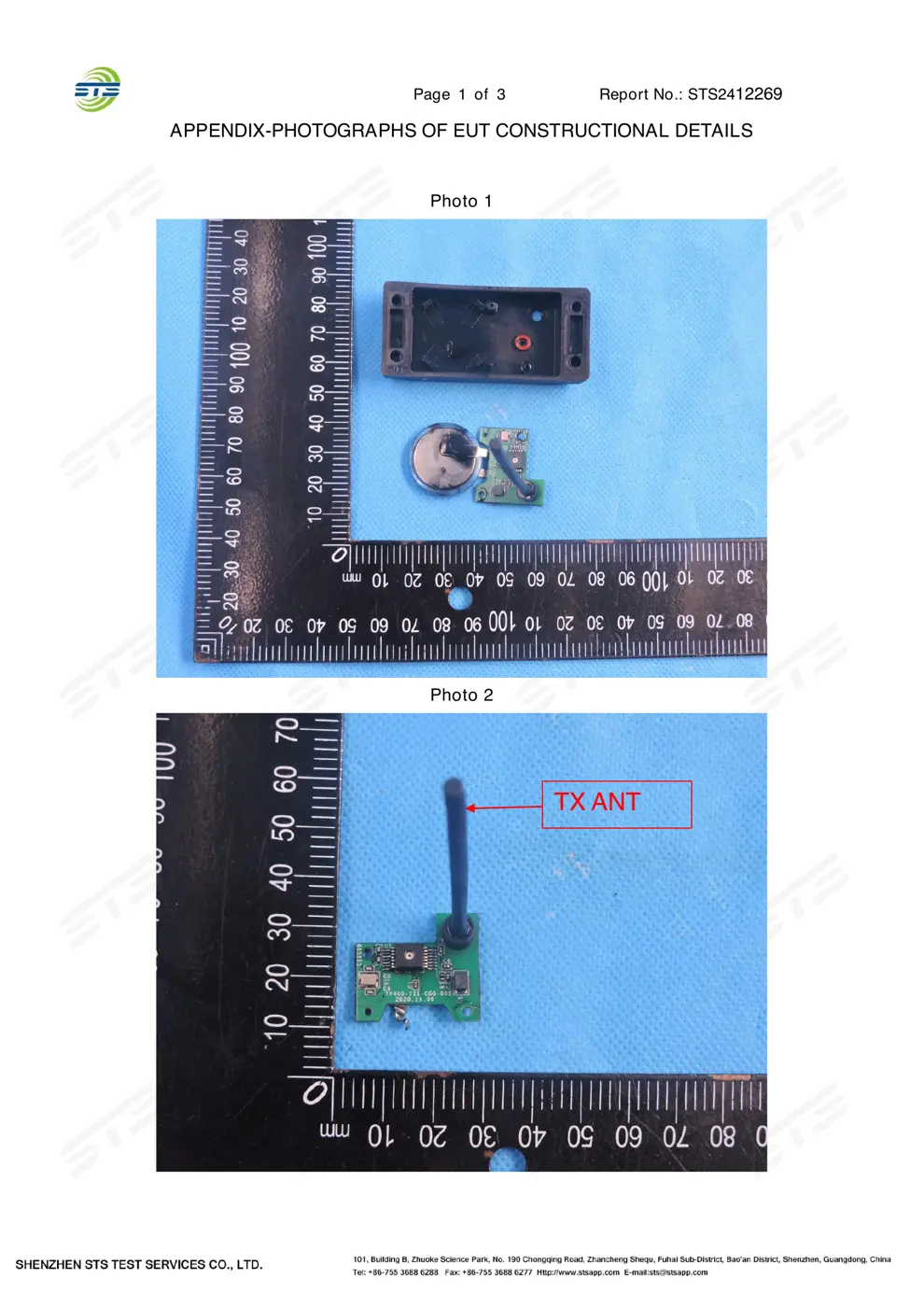
Before you buy the Zemismart EZ9A061730081, check what's inside.
This device is a wireless tire pressure monitoring sensor designed for vehicles. It communicates with a separate receiver unit to transmit tire pressure and temperature data, triggering alarms for various conditions.
⚠️ NOTE: Ensure correct battery polarity when replacing the battery.
Quick Specs
- Manufacturer: Zemismart
- Model: EZ9A061730081
- Protocol: WiFi
- Chipset: Various
- Ecosystem: Tuya / Smart Life
- App: Smart Life
🔧 Geek Corner (Flashing Info)
- Chipset: Unknown
- Flashable: ❌ No
- Info: This is a dedicated sensor and receiver system, not a general-purpose IoT device. It likely uses proprietary RF communication and is not designed for firmware flashing.
User Manual
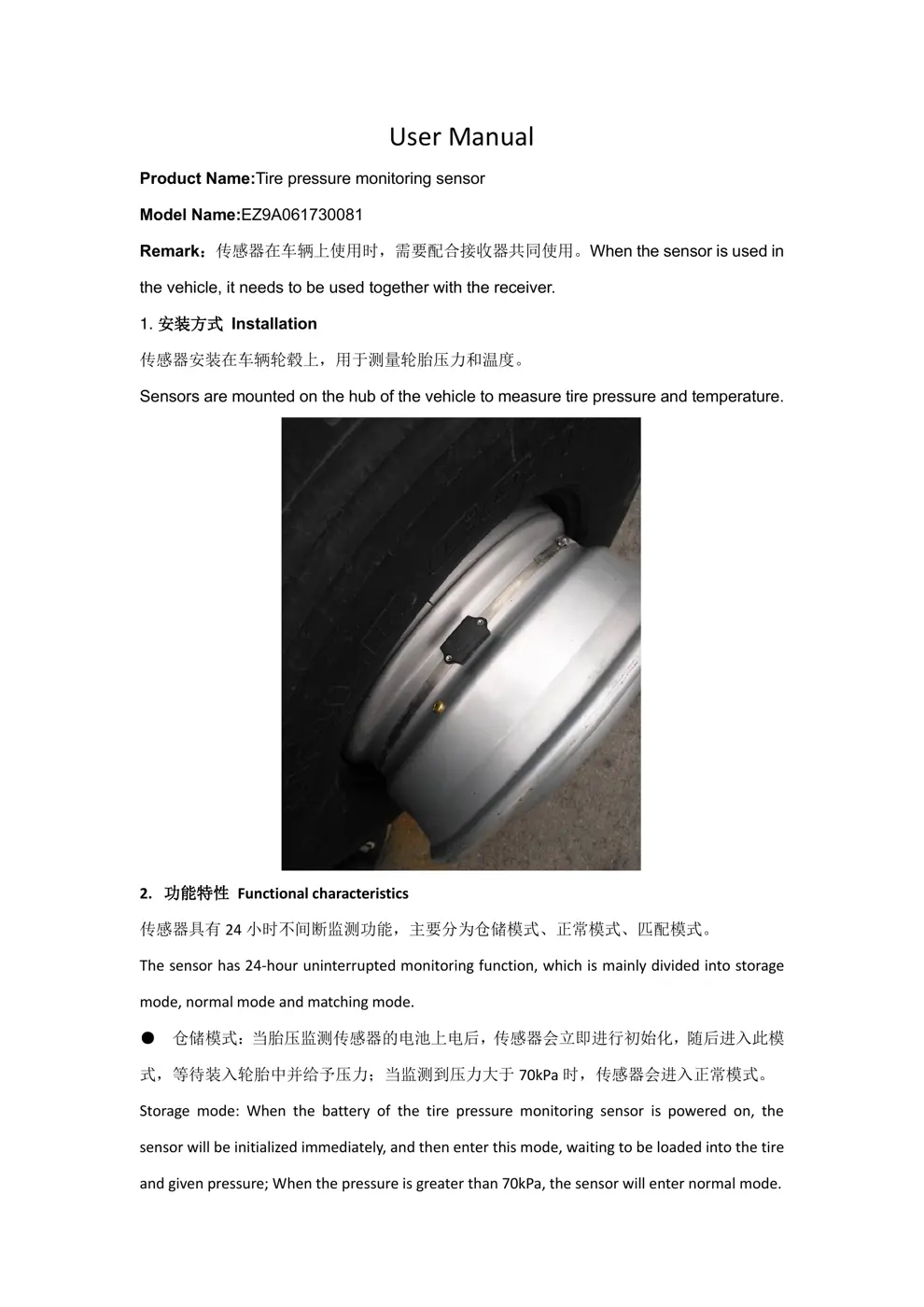
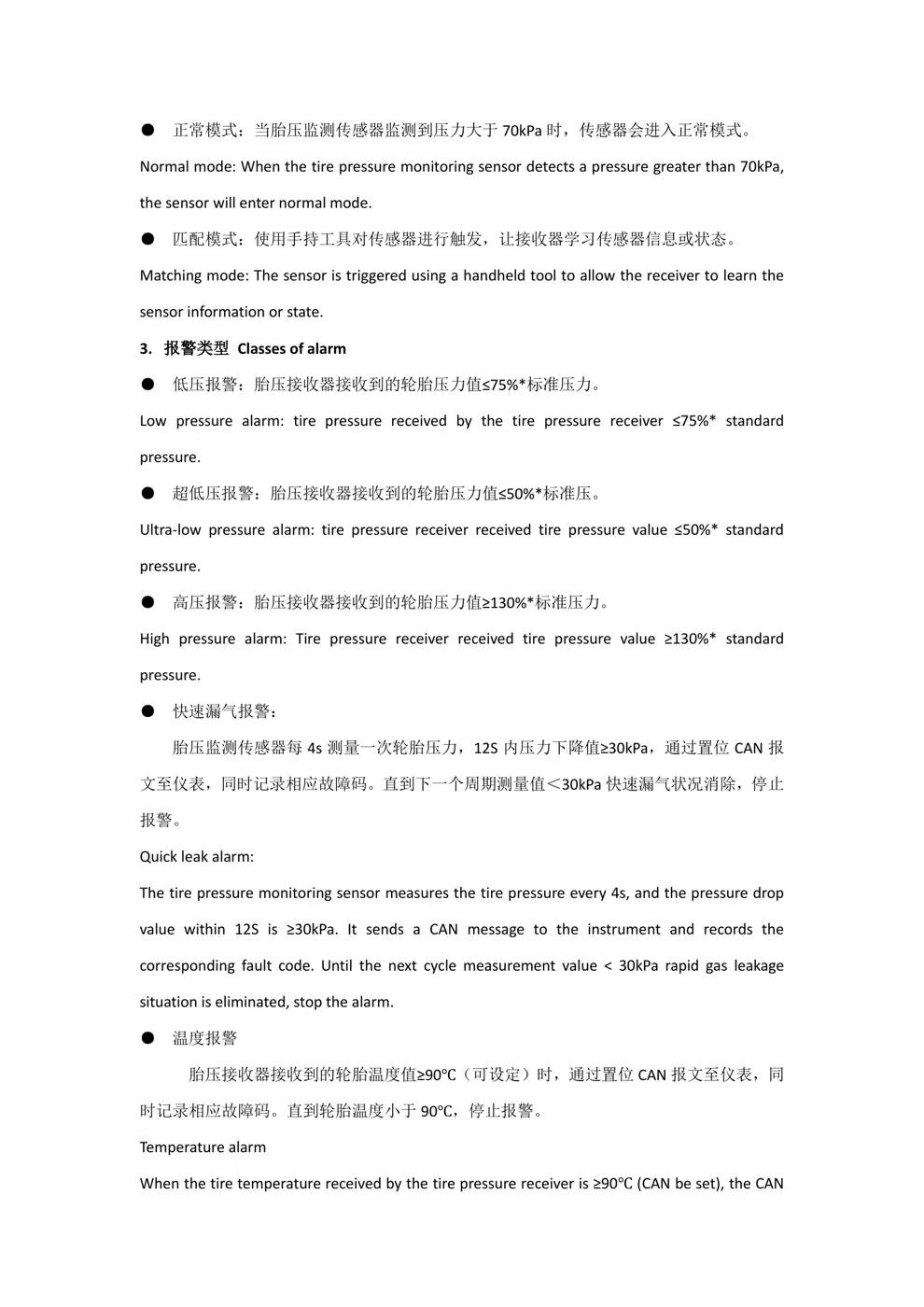
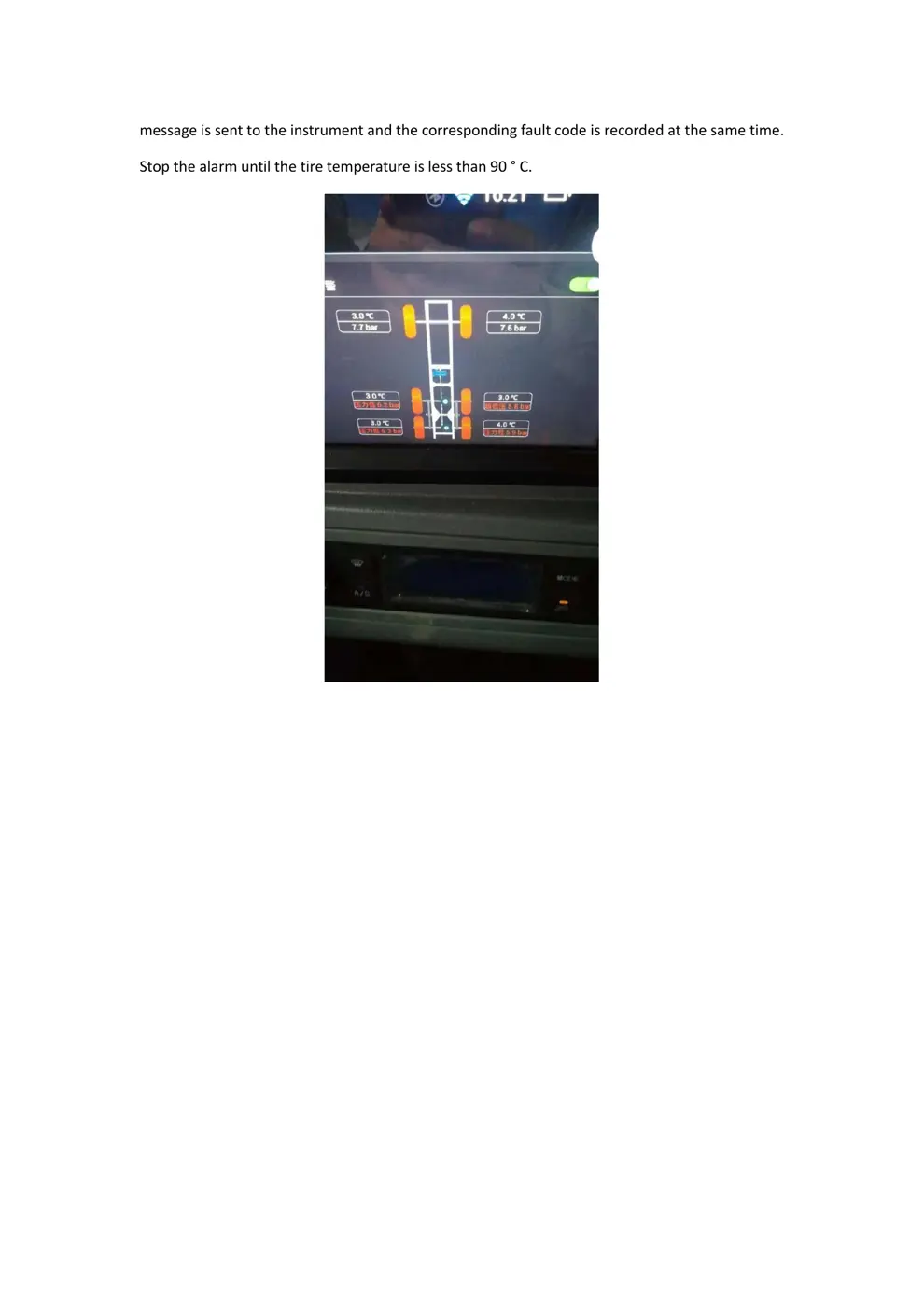
Scanned pages from the official user manual:
Internal Photos
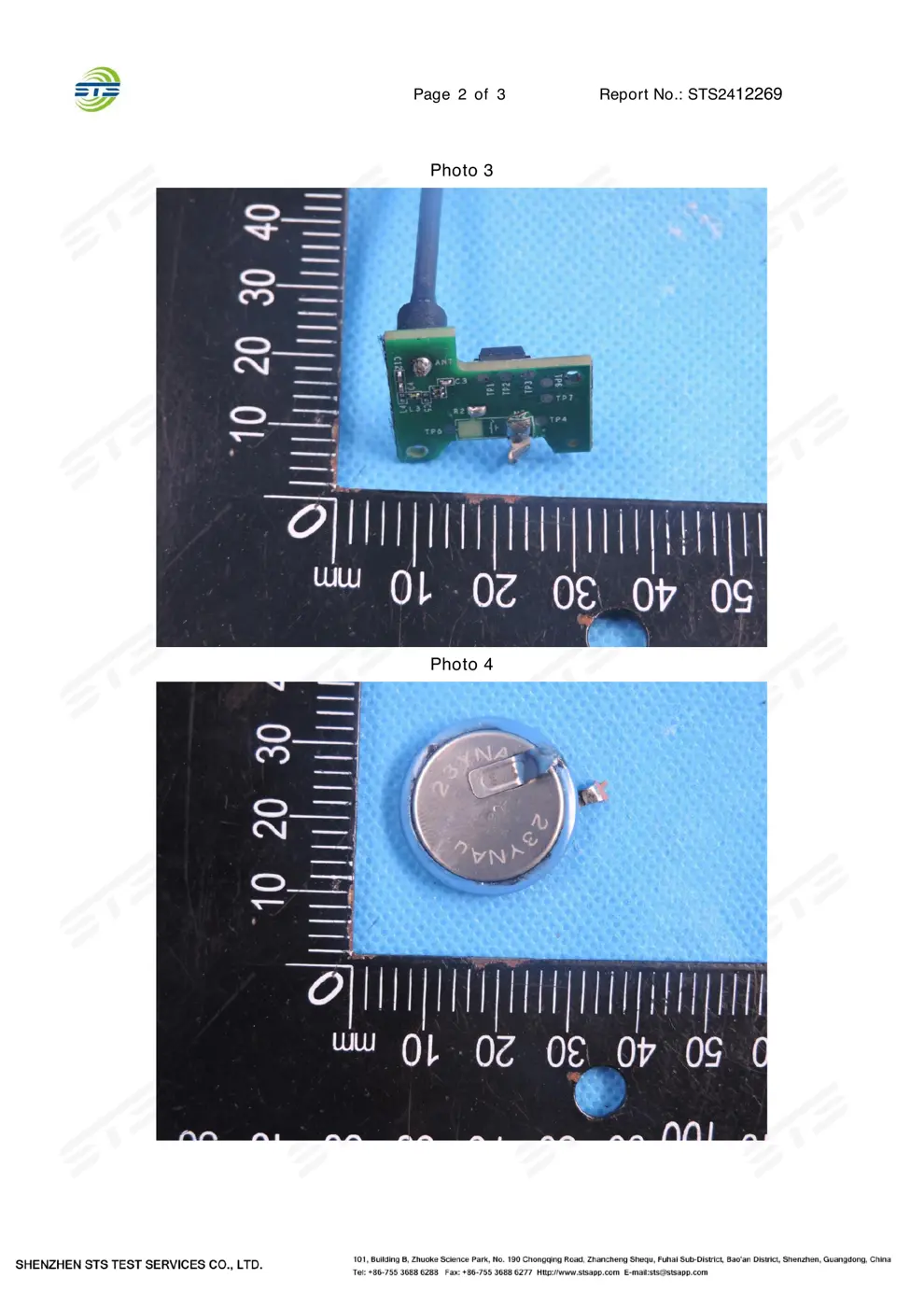
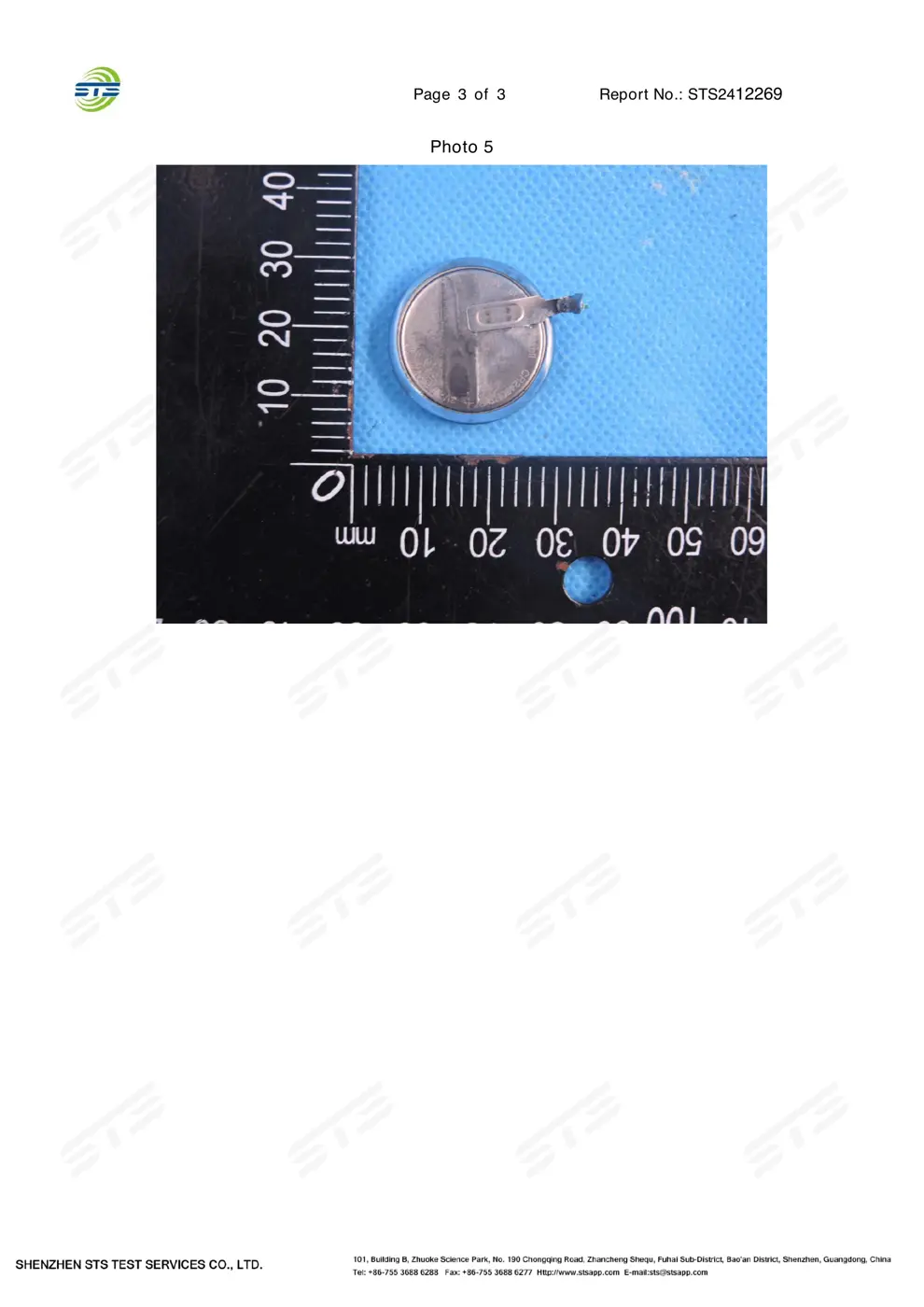
Teardown photos showing the PCB and components:
Verdict
The EZ9A061730081 is a WiFi device from the Tuya / Smart Life ecosystem.
📄 Click to view full text manual (SEO)
User Manual
Product Name:Tire pressure monitoring sensor
Model Name:EZ9A061730081
the vehicle, it needs to be used together with the receiver.
1. 安装方式 Installation
Sensors are mounted on the hub of the vehicle to measure tire pressure and temperature.

2. 功能特性 Functional characteristics
The sensor has 24 -hour uninterrupted monitoring function, which is mainly divided into storage
mode, normal mode and matching mode.
Storage mode: When the battery of the tire pressure monitoring sensor is powered on, the
sensor will be initialized immediately, and then enter this mode, waiting to be loaded into the tire
and given pressure; When the pressure is greater than 70kPa, the sensor will enter normal mode.

Normal mode: When the tire pressure monitoring sensor detects a pressure greater than 70kPa,
the sensor will enter normal mode.
Matching mode: The sensor is triggered using a handheld tool to allow the receiver to learn the
sensor information or state.
3. 报警类型 Classes of alarm
Low pressure alarm: tire pressure received by the tire pressure receiver ≤75%* standard
pressure.
Ultra-low pressure alarm: tire pressure receiver received tire pressure value ≤50%* standard
pressure.
High pressure alarm: Tire pressure receiver received tire pressure value ≥130%* standard
pressure.
Quick leak alarm:
The tire pressure monitoring sensor measures the tire pressure every 4s, and the pressure drop
value within 12S is ≥30kPa. It sends a CAN message to the instrument and records the
corresponding fault code. Until the next cycle measurement value < 30kPa rapid gas leakage
situation is eliminated, stop the alarm.
Temperature alarm
When the tire temperature received by the tire pressure receiver is ≥90 ℃ (CAN be set), the CAN
message is sent to the instrument and the corresponding fault code is recorded at the same time.
Stop the alarm until the tire temperature is less than 90 ° C.

FCC Caution.
This device complies with part 15 of the FCC Rules. Operation is subject to the following two
conditions:
(1) This device may not cause harmful interference, and
(2) this device must accept any interference received, including interference that may cause
undesired operation.

Any Changes or modifications not expressly approved by the party responsible for compliance
could void the user's authority to operate the equipment.

Note: This equipment has been tested and found to comply with the limits for a Class B digital
device, pursuant to part 15 of the FCC Rules. These limits are designed to provide reasonable
protection against harmful interference in a residential installation. This equipment generates
uses and can radiate radio frequency energy and, if not installed and used in accordance with the
instructions, may cause harmful interference to radio communications. However, there is no
guarantee that interference will not occur in a particular installation. If this equipment does
cause harmful interference to radio or television re...