TYZS15 Reset & Teardown (FCC ID 2ANDL-TYZS15)
Factory reset and internal photos for Tuya Global TYZS15. Tuya / Smart Life smart plug.
January 15, 2026
•
8 read
Before you buy the Tuya Global TYZS15, check what's inside.
The Tuya TYZS15 is a low-power Zigbee module designed for integration into smart home devices. It features an ARM Cortex-M4 core and is suitable for applications like smart lighting and sensors.
⚠️ NOTE: Ensure correct battery polarity and voltage for the module.
Quick Specs
- Manufacturer: Tuya Global
- Model: TYZS15
- Protocol: Zigbee
- Chipset: Tuya Zigbee
- Ecosystem: Tuya / Smart Life
- App: Smart Life
🔧 Geek Corner (Flashing Info)
- Chipset: EFR32
- Flashable: ❌ No
- Info: Proprietary Tuya Zigbee module, not designed for flashing custom firmware.
User Manual
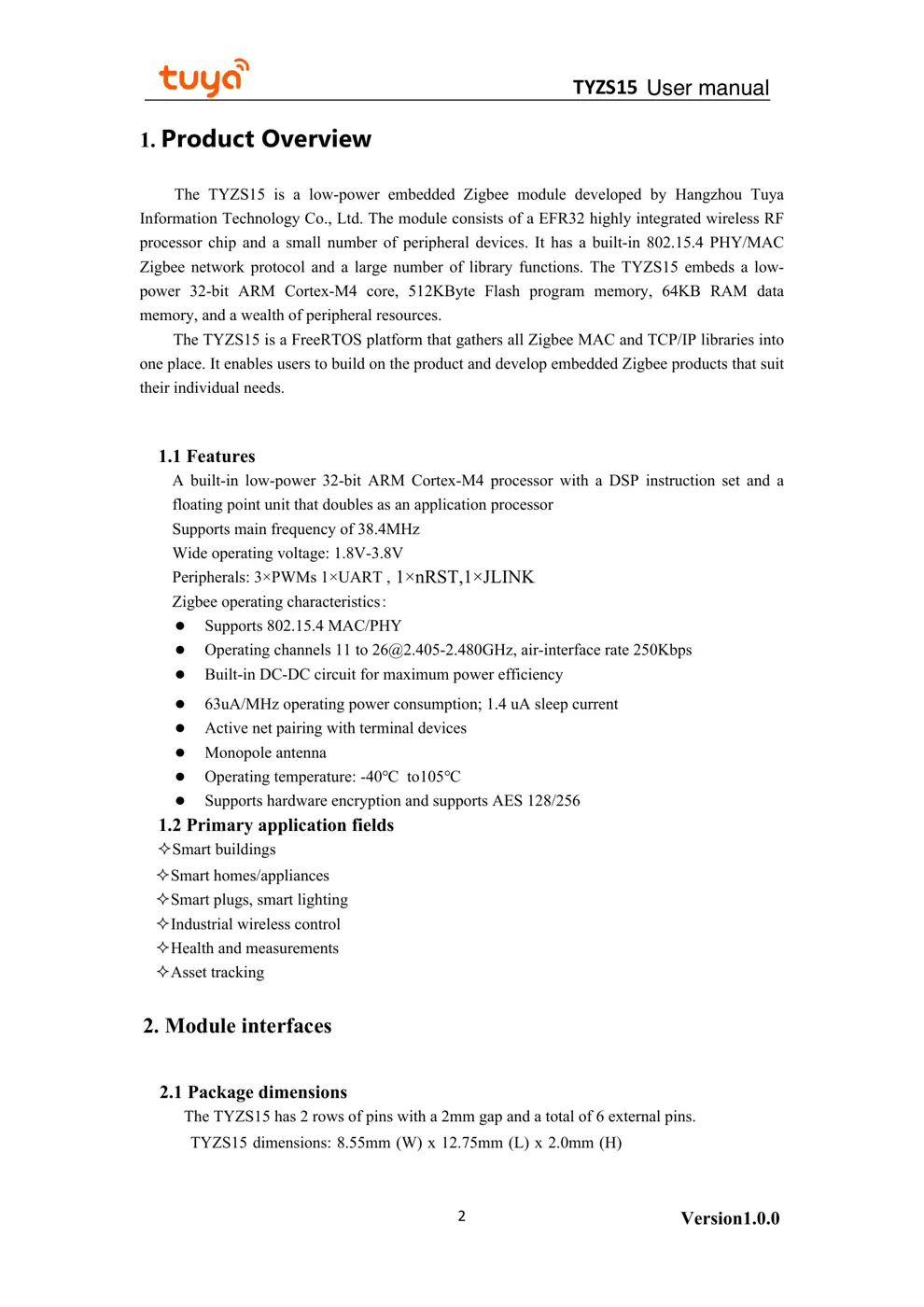
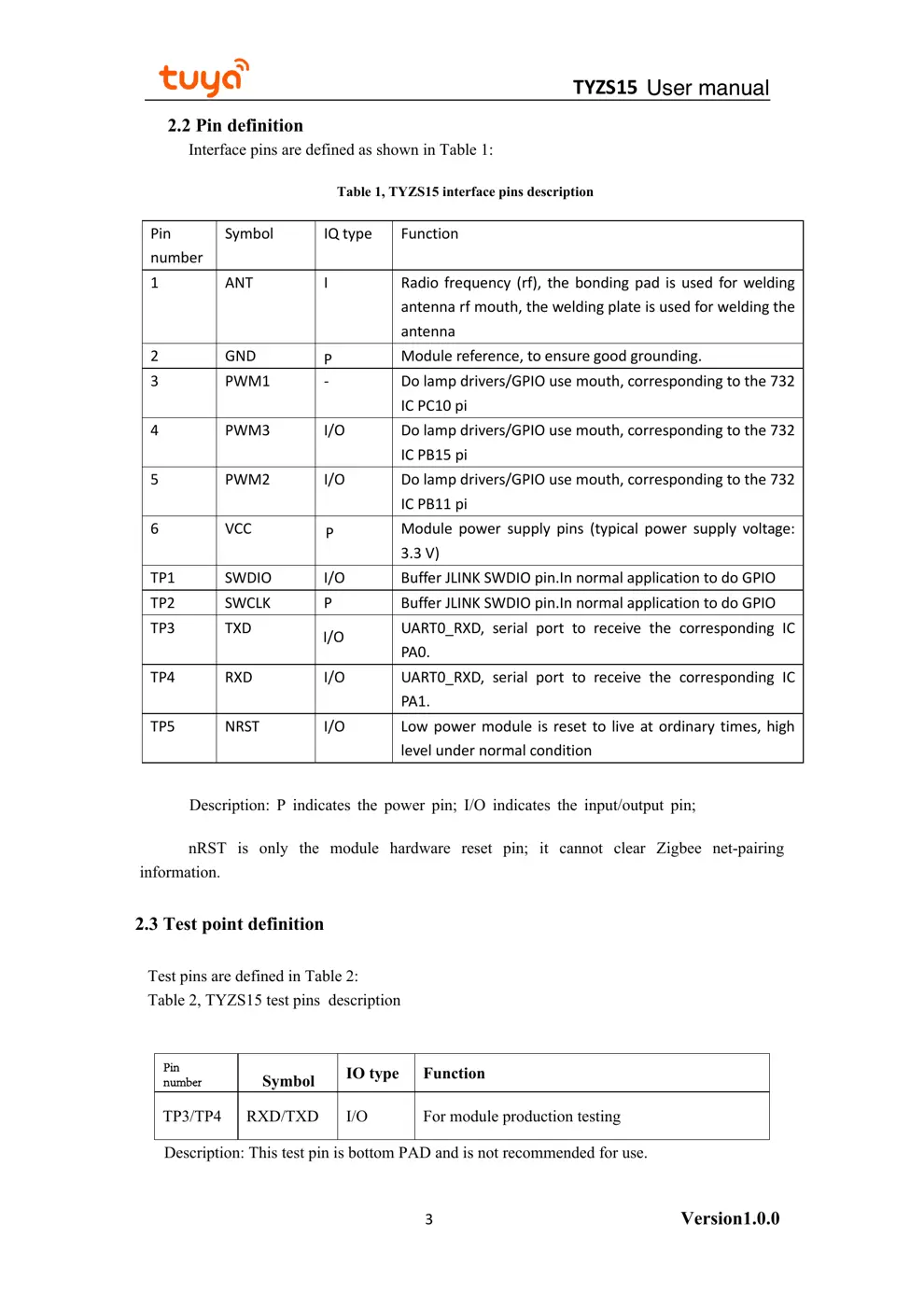
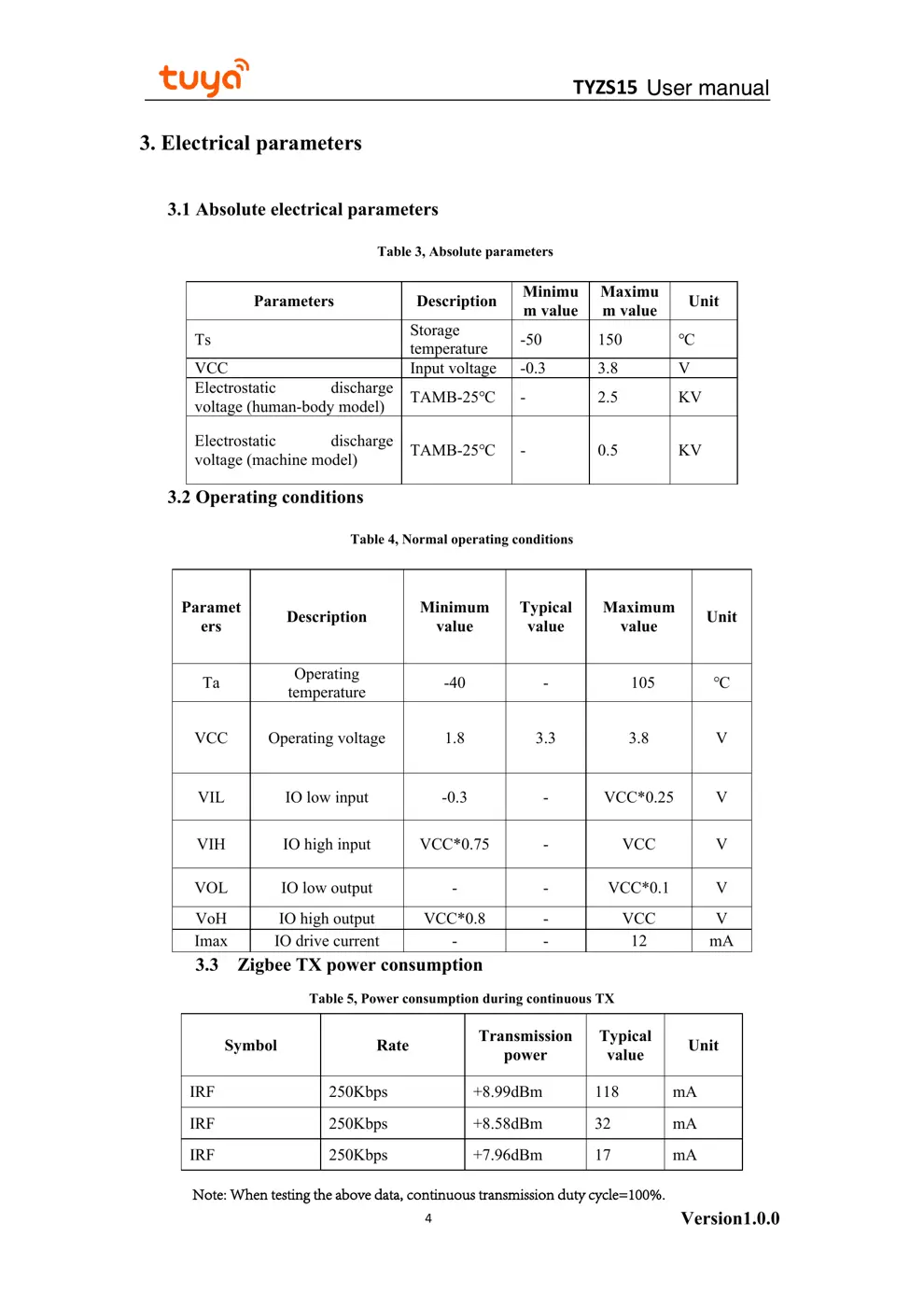
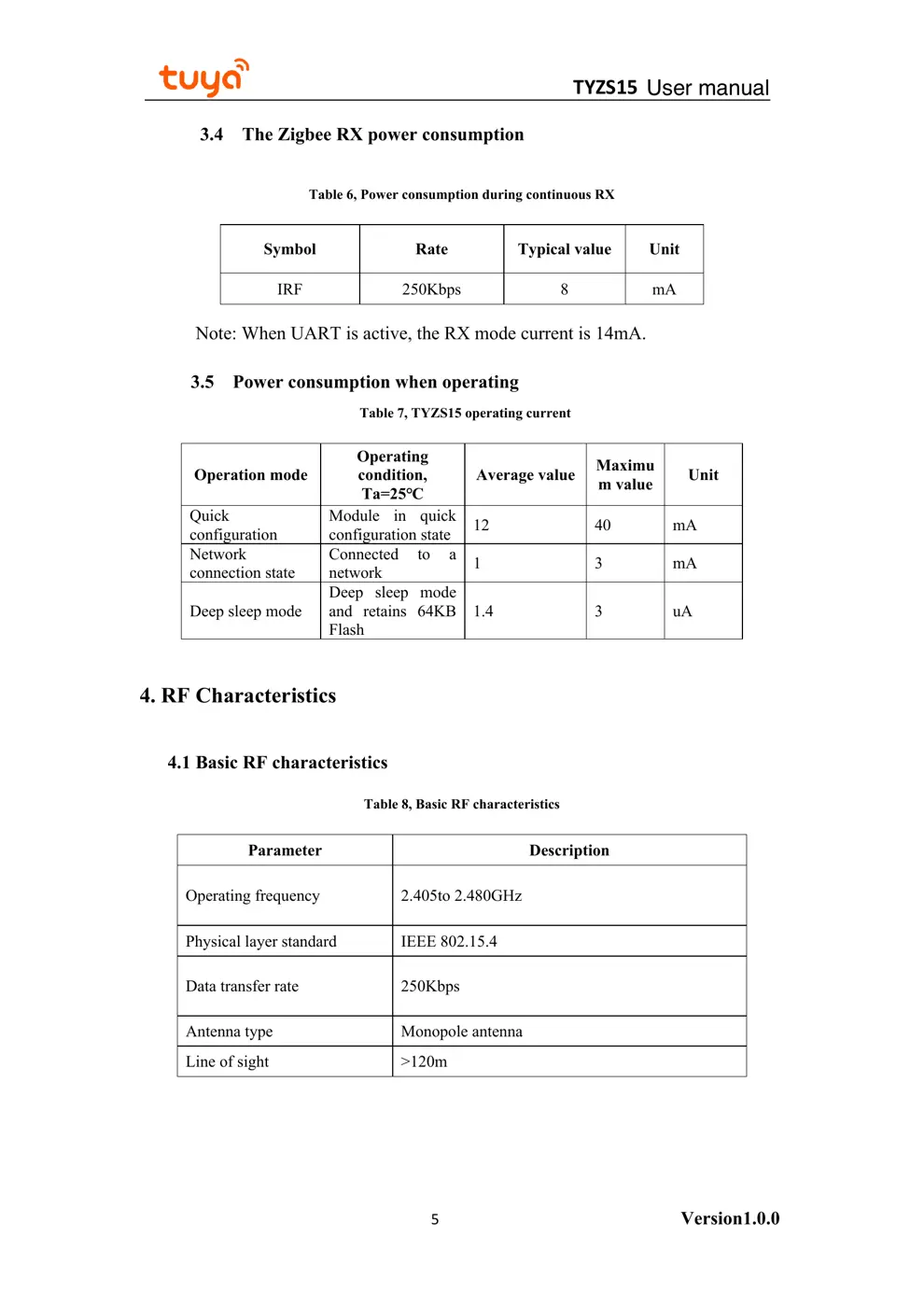
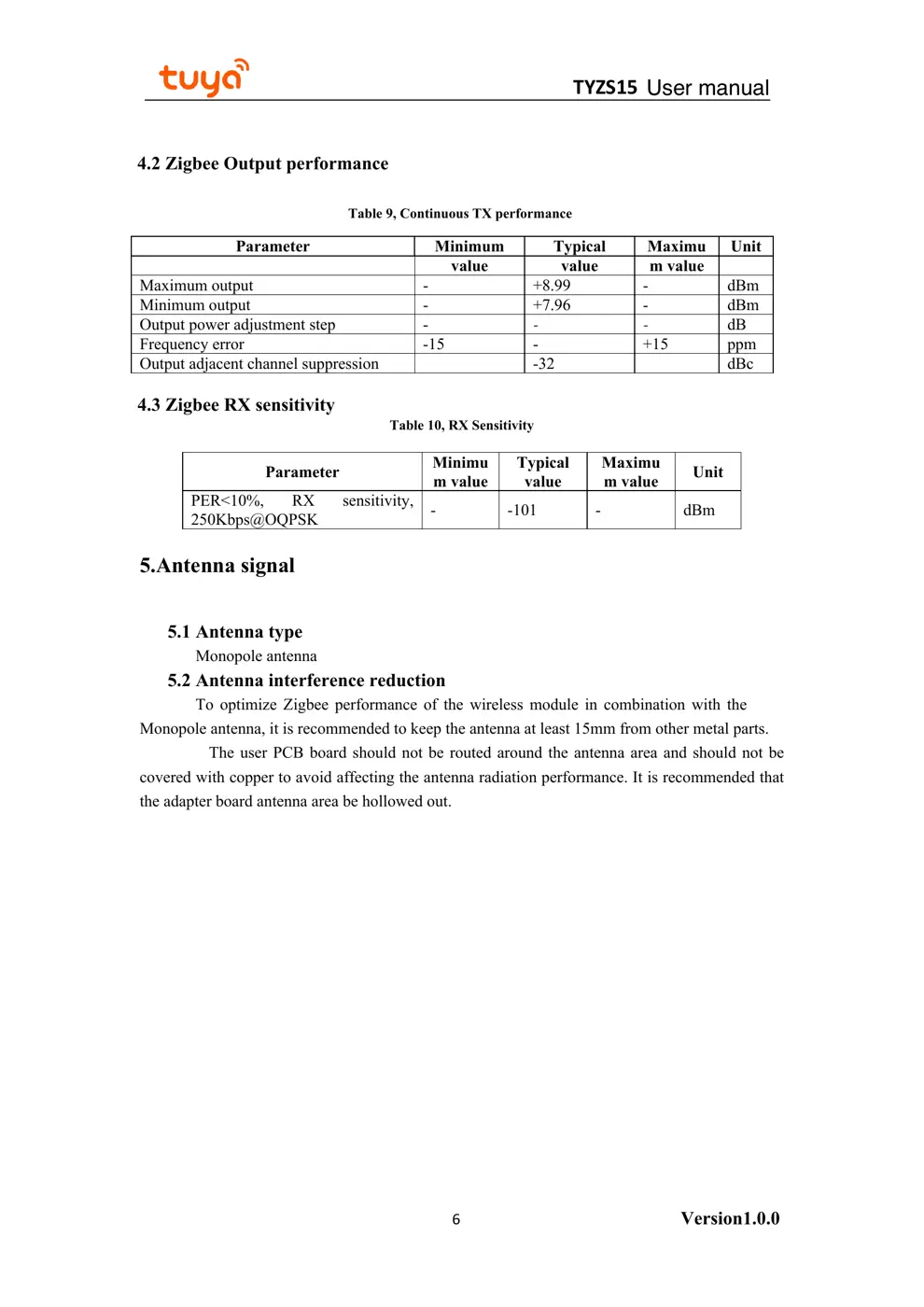
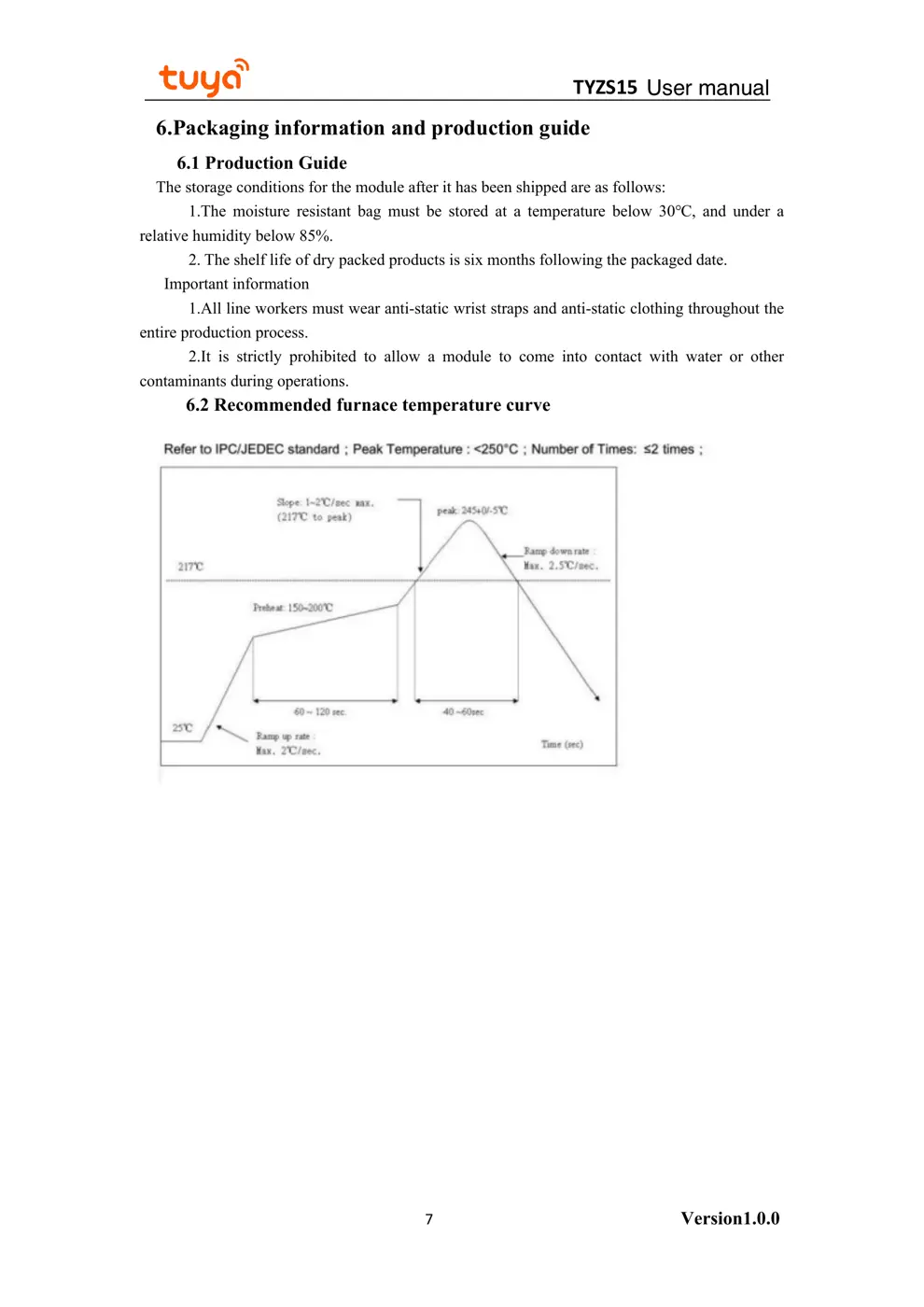
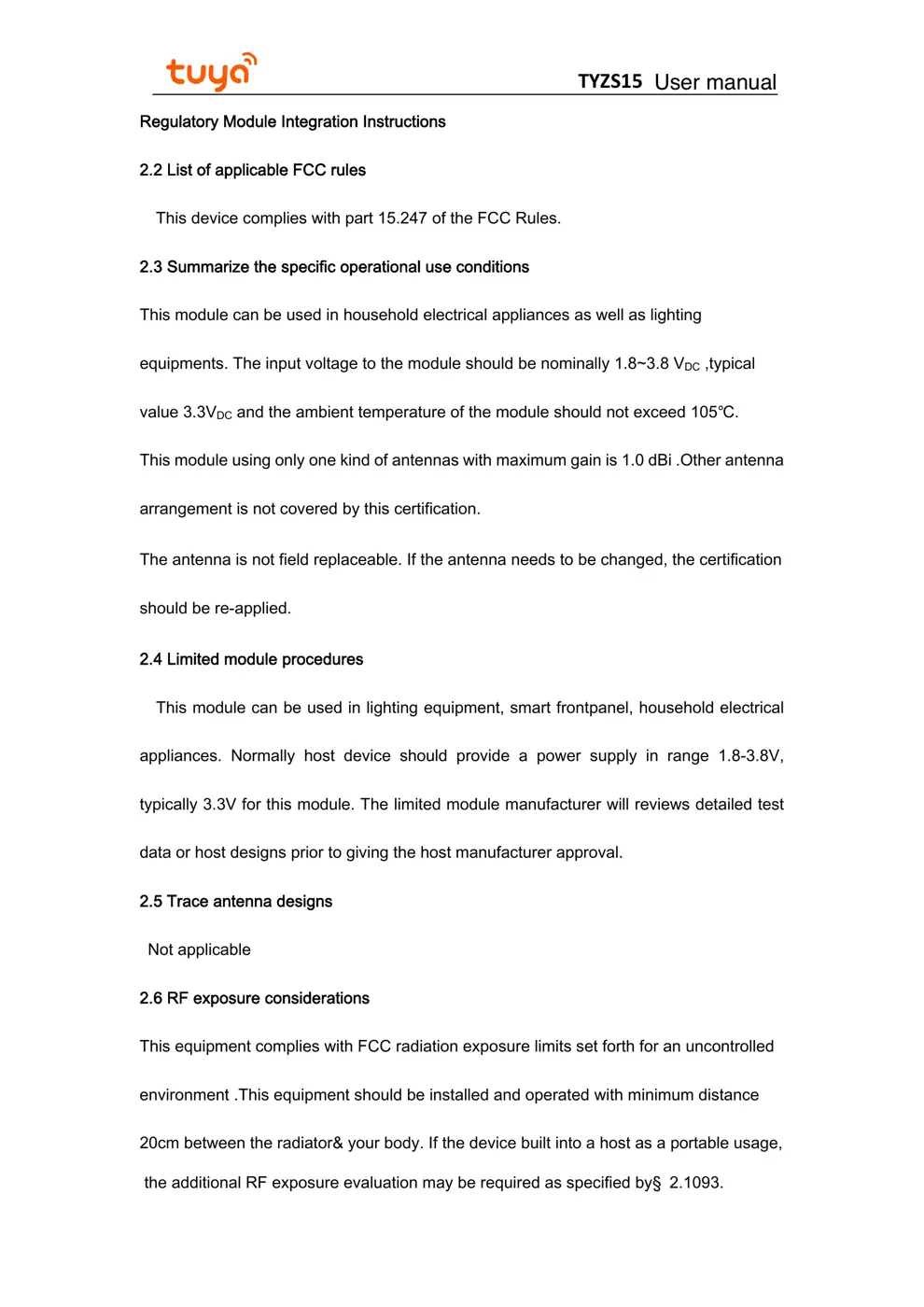
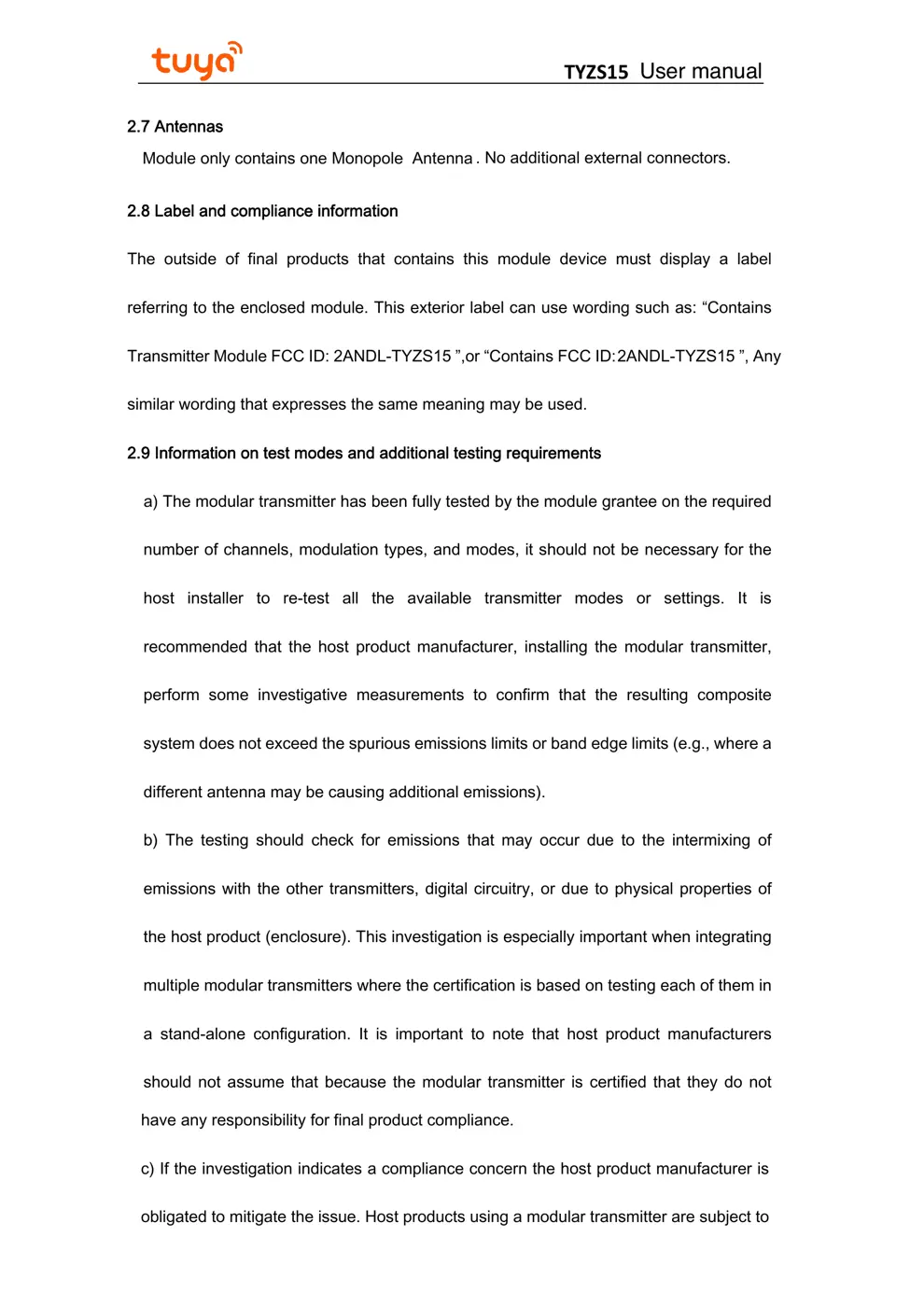
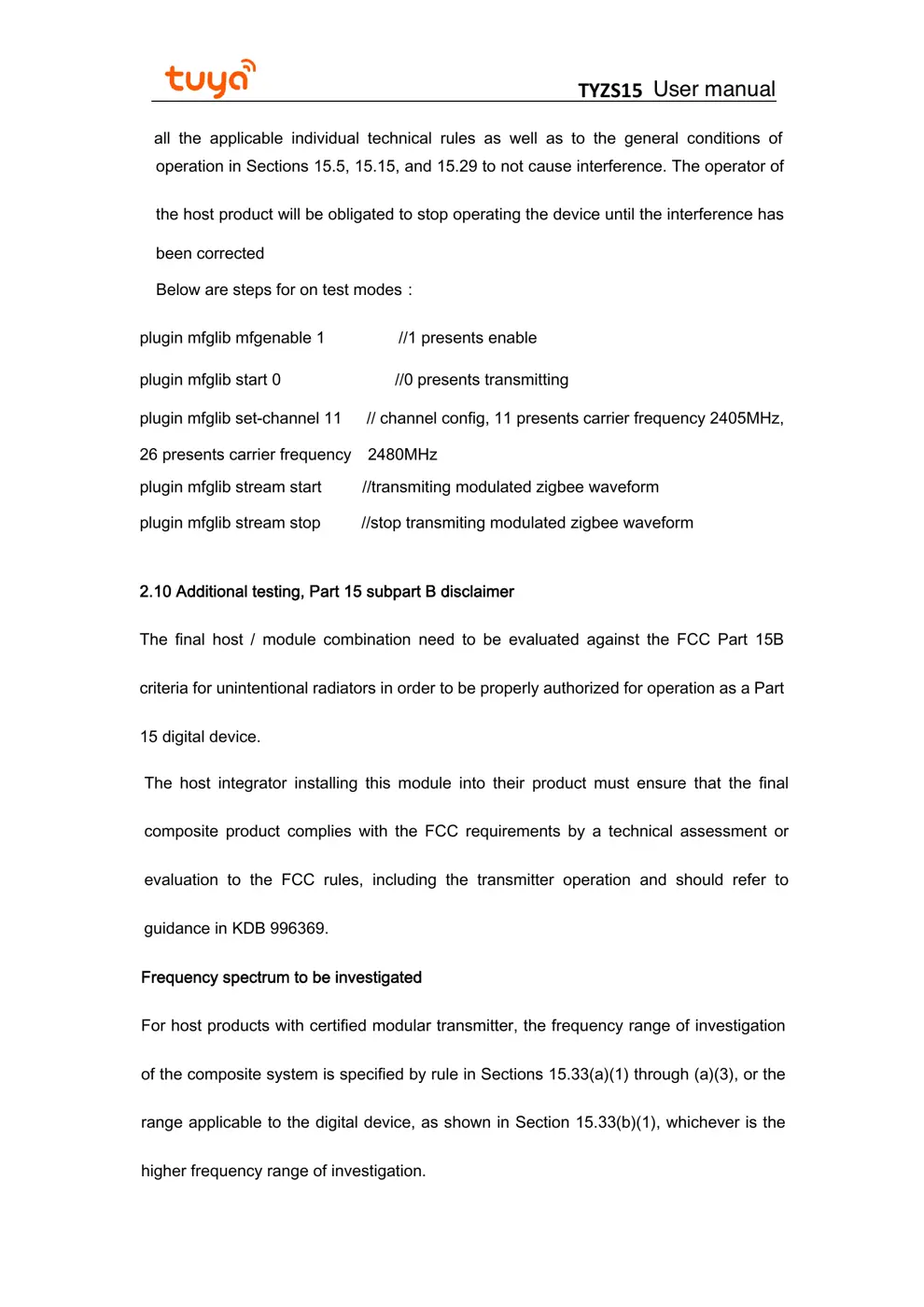
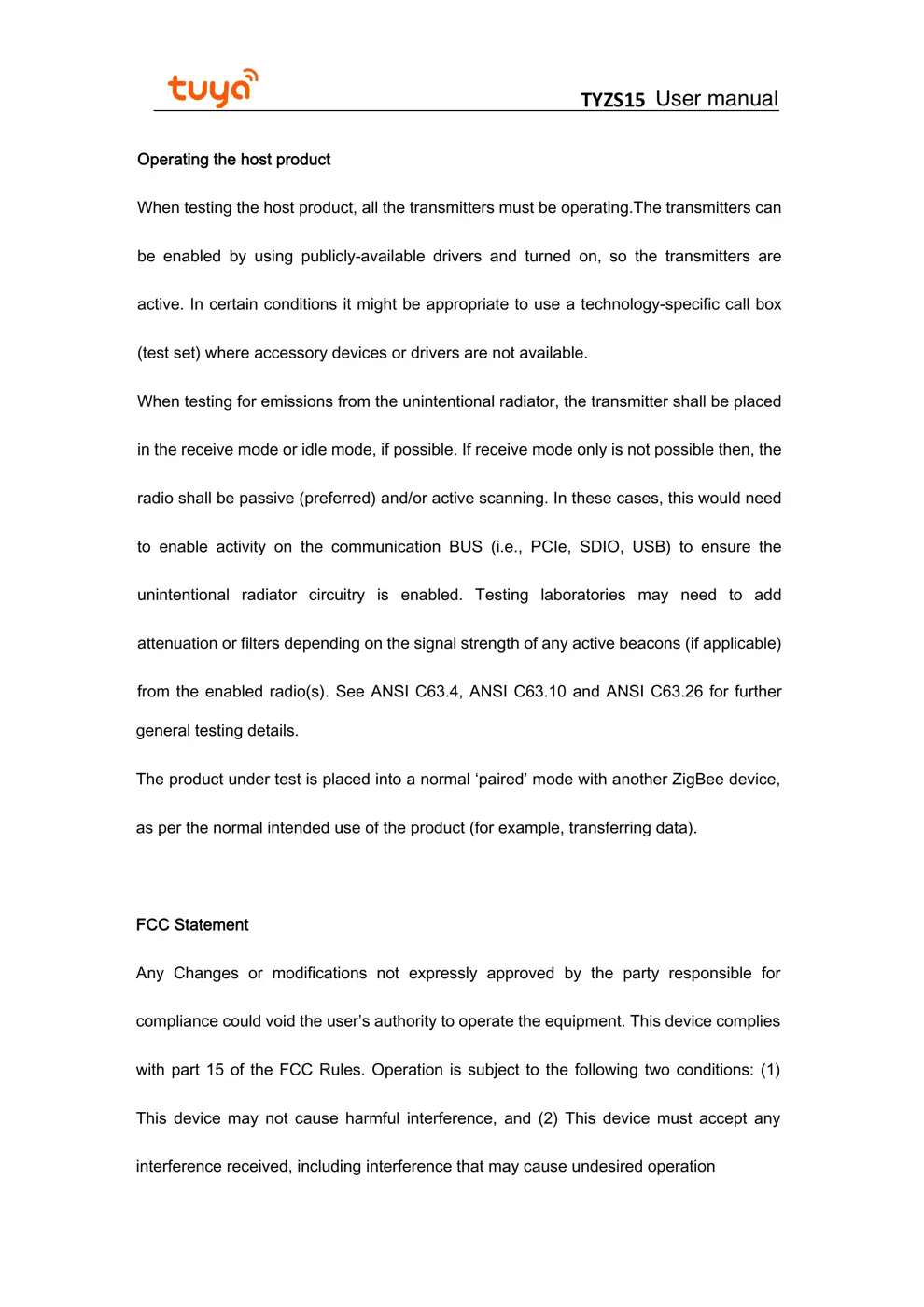
Scanned pages from the official user manual:
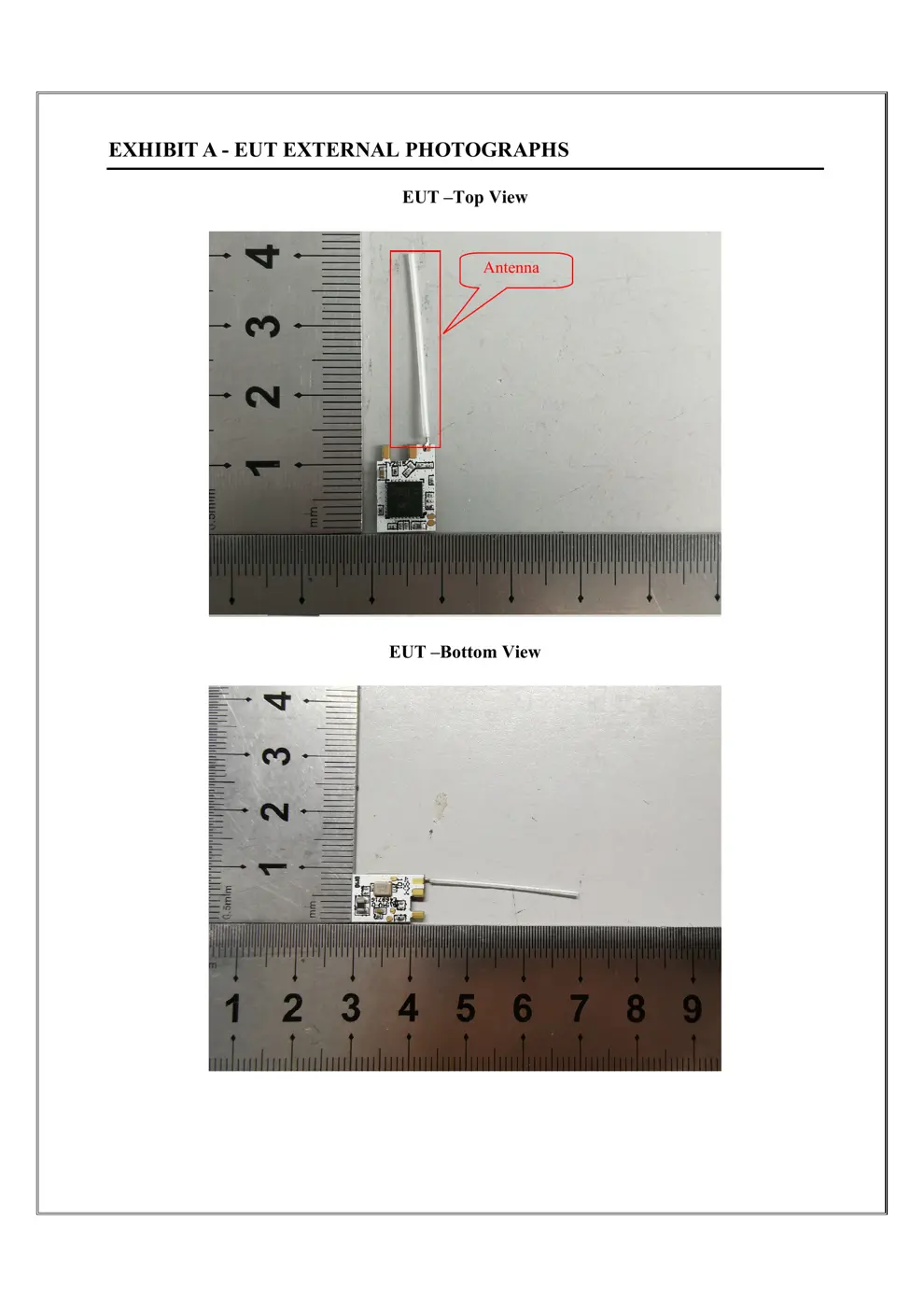
External Photos
Photos of the device exterior:
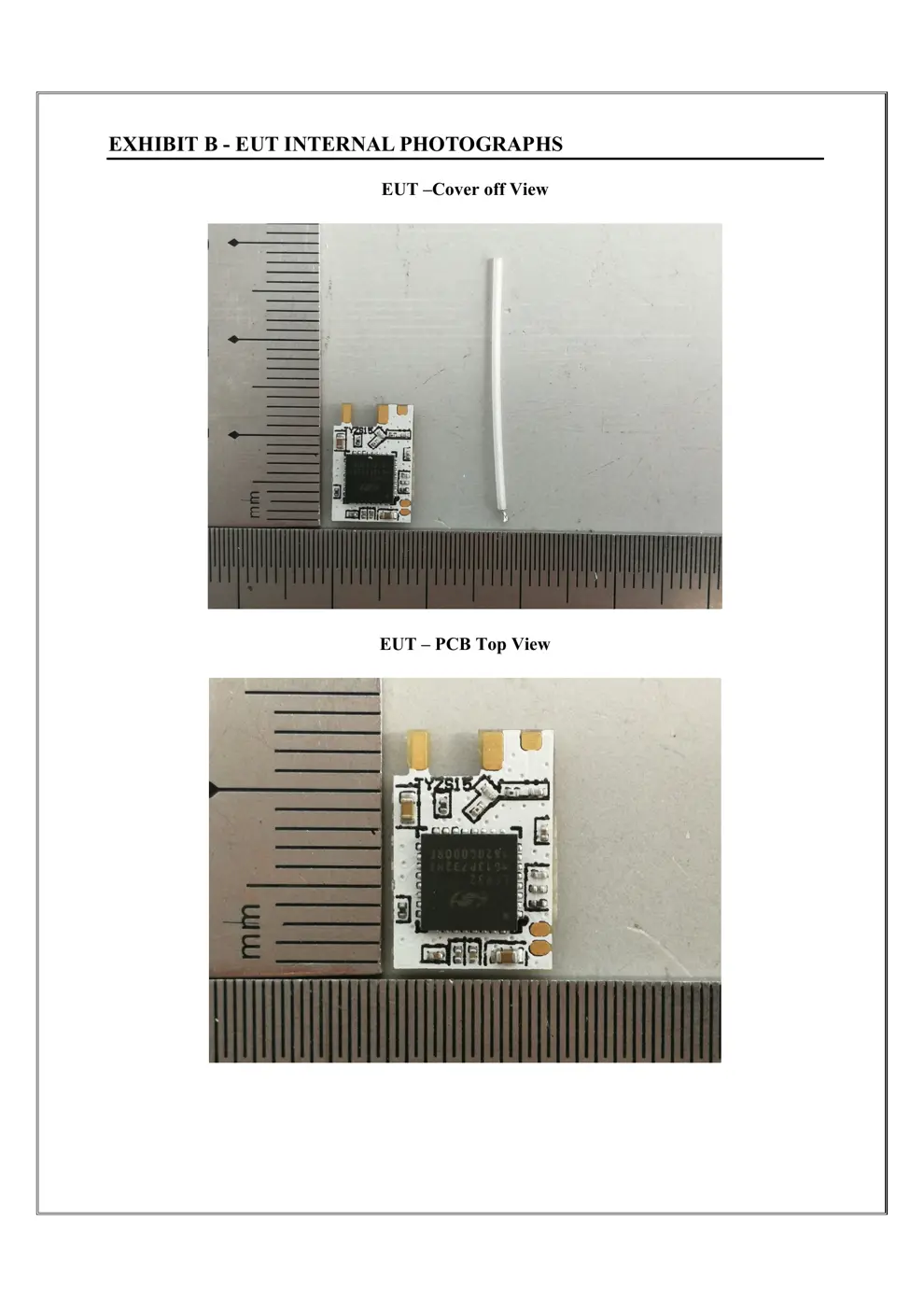
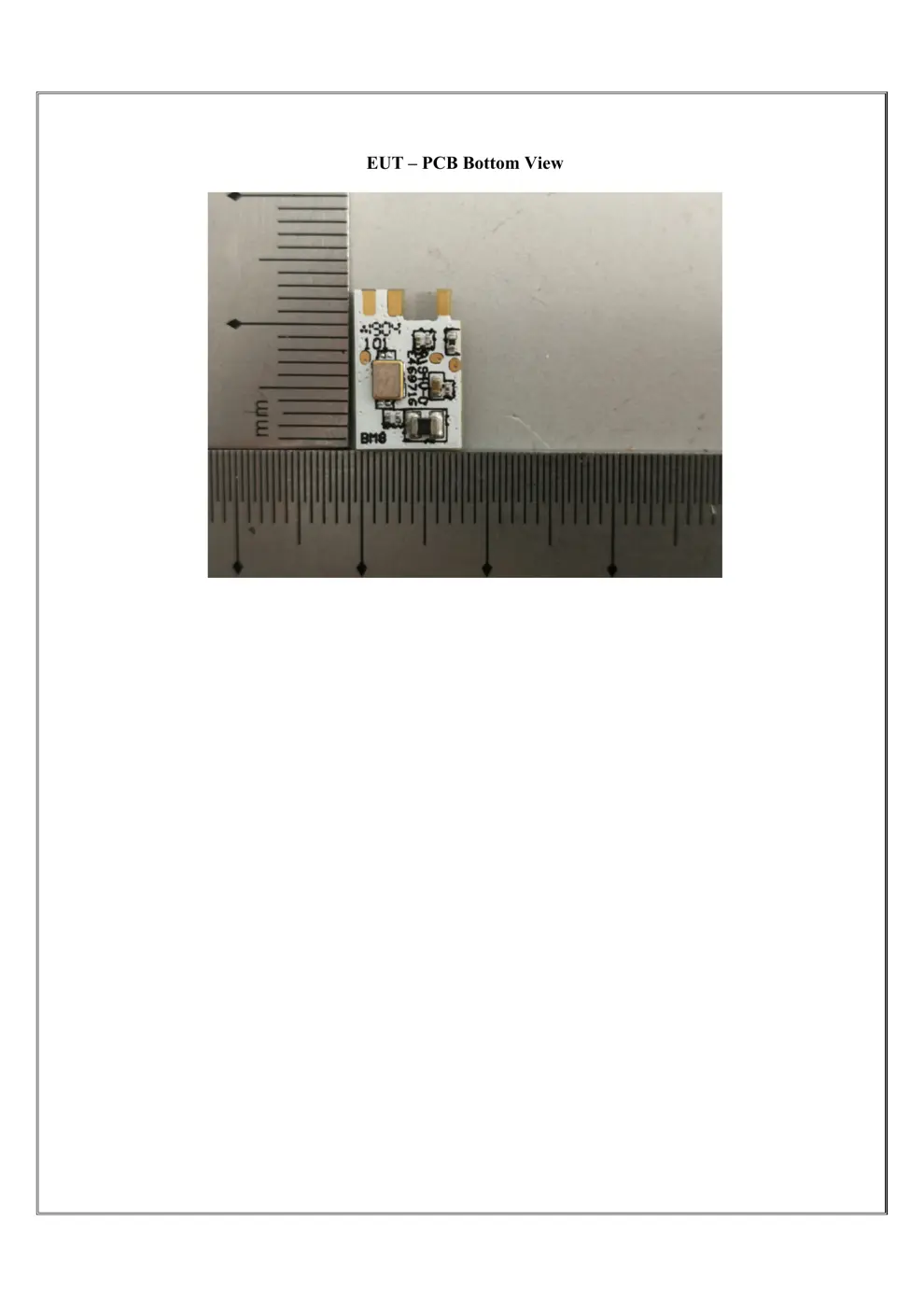
Internal Photos
Teardown photos showing the PCB and components:
Verdict
The TYZS15 is a Zigbee device from the Tuya / Smart Life ecosystem.
📄 Click to view full text manual (SEO)
Version1.0.02
1. Product Overview
 The TYZS15 is a low-power embedded Zigbee module developed by Hangzhou Tuya
Information Technology Co., Ltd. The module consists of a EFR32 highly integrated wireless RF
processor chip and a small number of peripheral devices. It has a built-in 802.15.4 PHY/MAC
Zigbee network protocol and a large number of library functions. The TYZS15 embeds a low-
power 32-bit ARM Cortex-M4 core, 512KByte Flash program memory, 64KB RAM data
memory, and a wealth of peripheral resources.
The TYZS15 is a FreeRTOS platform that gathers all Zigbee MAC and TCP/IP libraries into
one place. It enables users to build on the product and develop embedded Zigbee products that suit
their individual needs.
1.1 Features

A built-i n low-power 32-bit ARM Cortex-M4 processor with a DSP instructi on set and a
floating point unit that doubles as an application processor
Supports main frequency of 38.4MHz
Wide operating voltage: 1.8V-3.8V
Peripherals: 3×PWMs 1×UART , ×UART , 11
Zigbee operating characteristics:
 Supports 802.15.4 MAC/PHY
 Operating channels 11 to [email protected], air-interface rate 250Kbps
 Built-in DC-DC circuit for maximum power efficiency
 63uA/MHz operating power consumption; 1.4 uA sleep current
 Active net pairing with terminal devices
 Monopole antenna
 Operating temperature: -40℃ to 105℃
 Supports hardware encryption and supports AES 128/256
1.2 Primary application fields
 Smart buildings
 Smart homes/appliances
 Smart plugs, smart lighting
 Industrial wireless control
 Health and measurements
 Asset tracking
2. Module interfaces
2.1 Package dimensions
The TYZS15 has 2 rows of pins with a 2mm gap and a total of 6 external pins.
TYZS15 dimensions: 8.55mm (W) x 12.75mm (L) x 2.0mm (H).
1×nRST,1×JLINK
TYZS15 User manual
Version1.0.03
2.2 Pin definition
Interface pins are defined as shown in Table 1:
Table 1, TYZS15 interface pins description
Description: P indicates the power pin; I/O indicates the input/output pin;
nRST is only the module hardware reset pin; it cannot clear Zigbee net-pairing
information.
2.3 Test point definition
Test pins are defined in Table 2:
Table 2, TYZS15 test pins description
Symbol IO type Function
TP3/TP4 RXD/TXD I/O For
 module production testing
Description: This test pin is bottom PAD and is not recommended for use.
Pi
n
number
Symbol IQ type Function
1 A
NT I Radio frequency (rf), the bonding pad is used for welding
antenna rf mouth, the welding plate is used for welding the
antenna
2 G
ND Module reference, to ensure good grounding.
3 P
WM1 - Do lamp drivers/GPIO use mouth, corresponding to the 732
IC PC10 pi
4 P
WM3 I/O Do lamp drivers/GPIO use mouth, corresponding to the 732
IC PB15 pi
5 P
WM2 I/O Do lamp drivers/GPIO use mouth, corresponding to the 732
IC PB11 pi
6 V
CC
I/O
Module power supply pins (typical power supply voltage:
3.3 V)
TP
1 SWDIO I/O Buffer JLINK SWDIO pin.In normal application to do GPIO
TP2
 SWCLK P Buffer JLINK SWDIO pin.In...