
G Reset & Teardown (FCC ID 2ANDL-BT7L-G)
Factory reset and internal photos for Tuya Global G. Tuya / Smart Life smart plug.
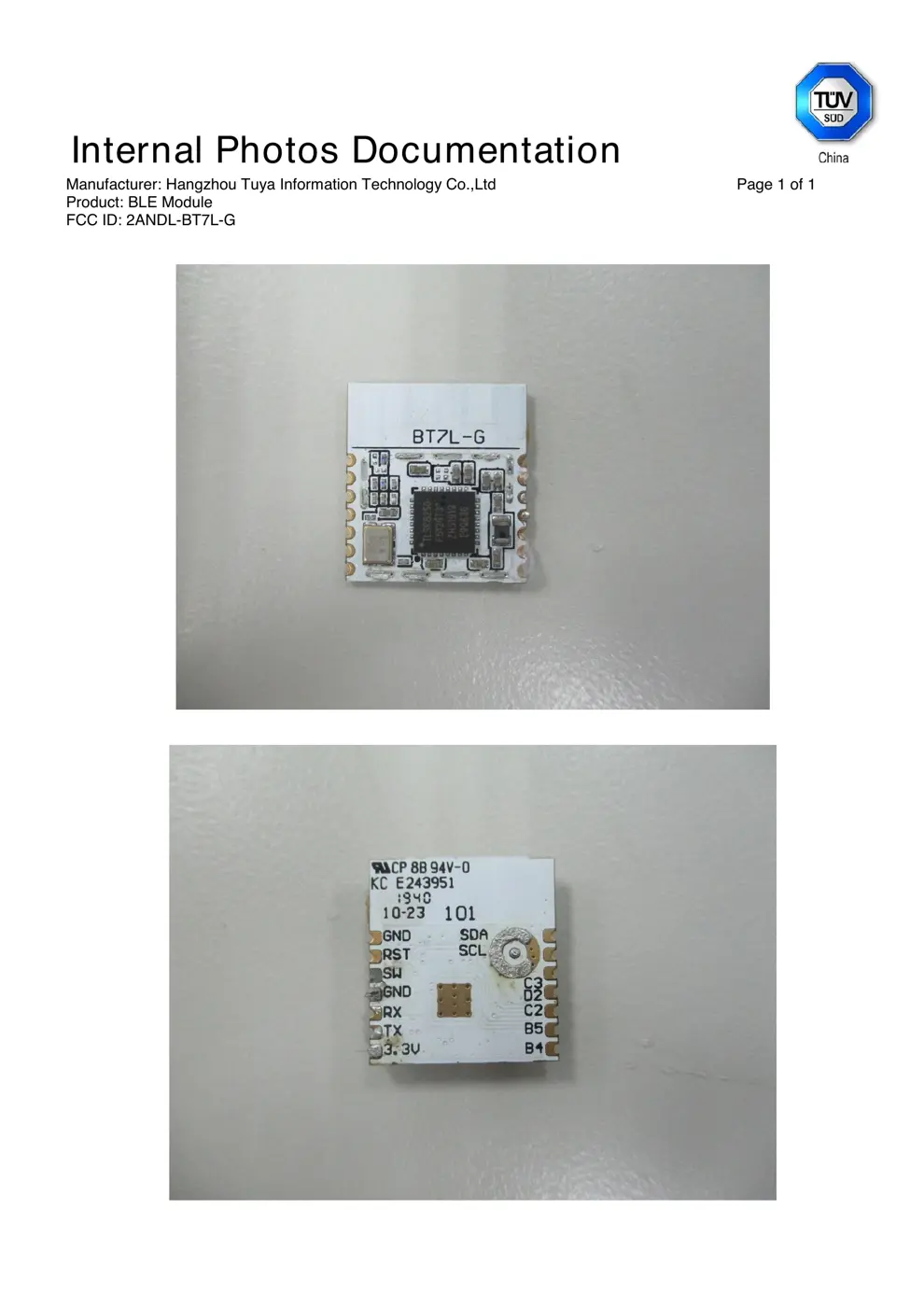
Before you buy the Tuya Global G, check what's inside.
This device is a Tuya BT7L-G BLE module, designed for integration into low-power smart devices such as LED lights and sensors. It utilizes the TLSR8250F512ET32 chipset and supports BLE 5.0, making it suitable for various smart home applications.
⚠️ NOTE: Ensure correct battery polarity and voltage is within the specified range (1.8V to 3.6V) for optimal performance and to avoid damage.
Quick Specs
- Manufacturer: Tuya Global
- Model: G
- Protocol: WiFi
- Chipset: Realtek/Beken
- Ecosystem: Tuya / Smart Life
- App: Smart Life
🔧 Geek Corner (Flashing Info)
- Chipset: TLSR8250F512ET32
- Flashable: ❌ No
- Info: The TLSR8250F512ET32 chipset is a proprietary Tuya solution and is not known to be easily flashable with common custom firmware like Tasmota or ESPHome.
User Manual
Scanned pages from the official user manual:


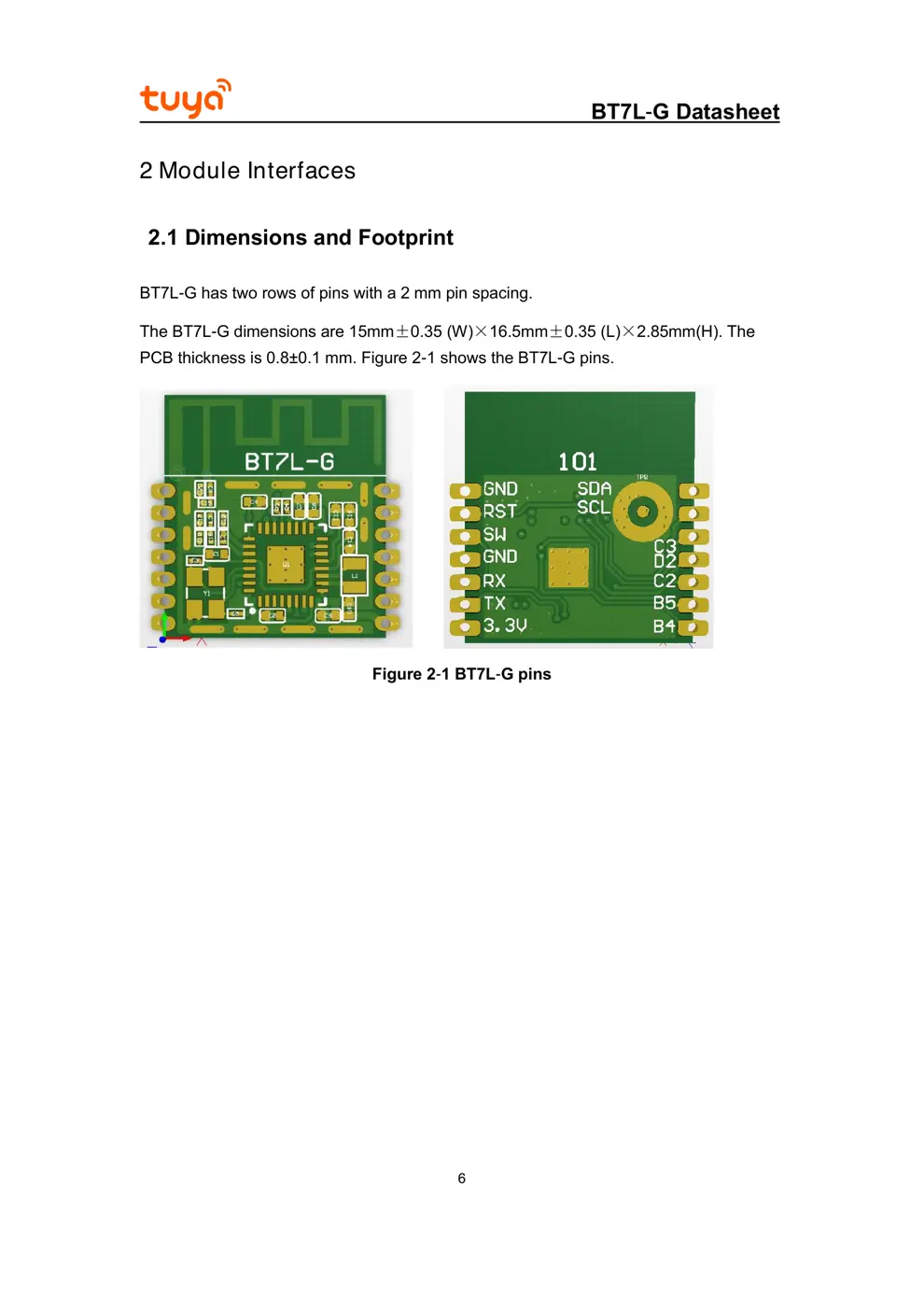
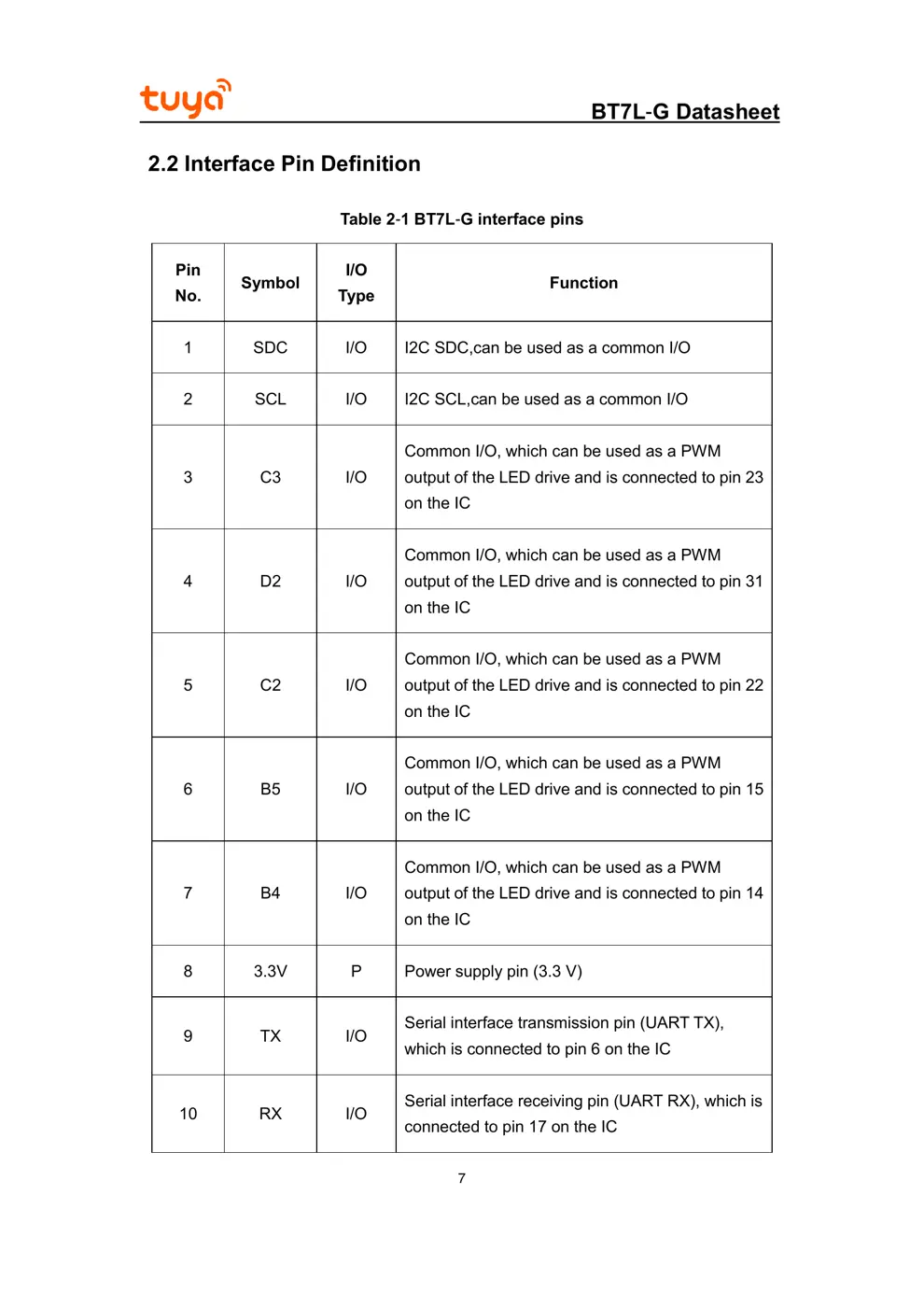
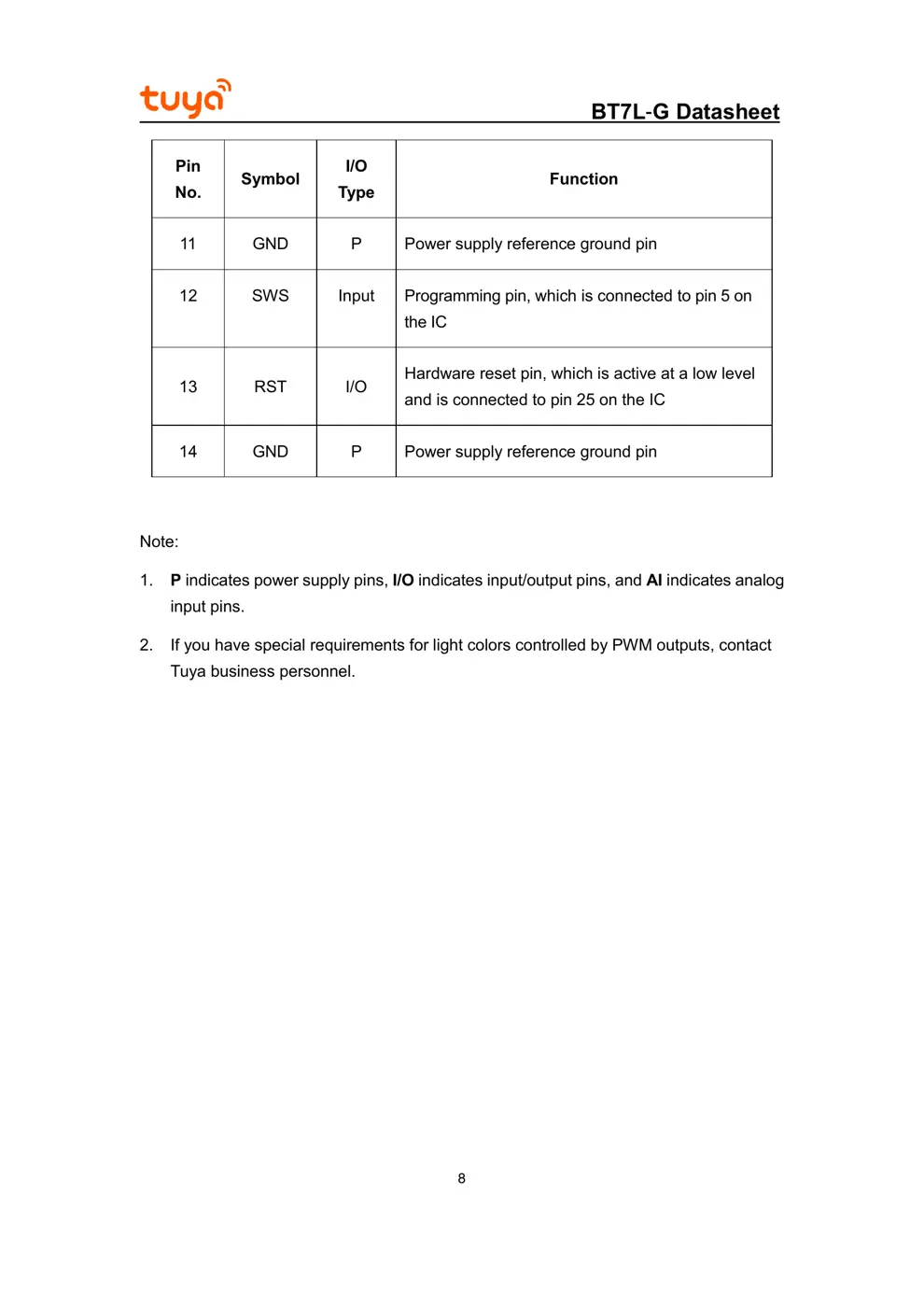
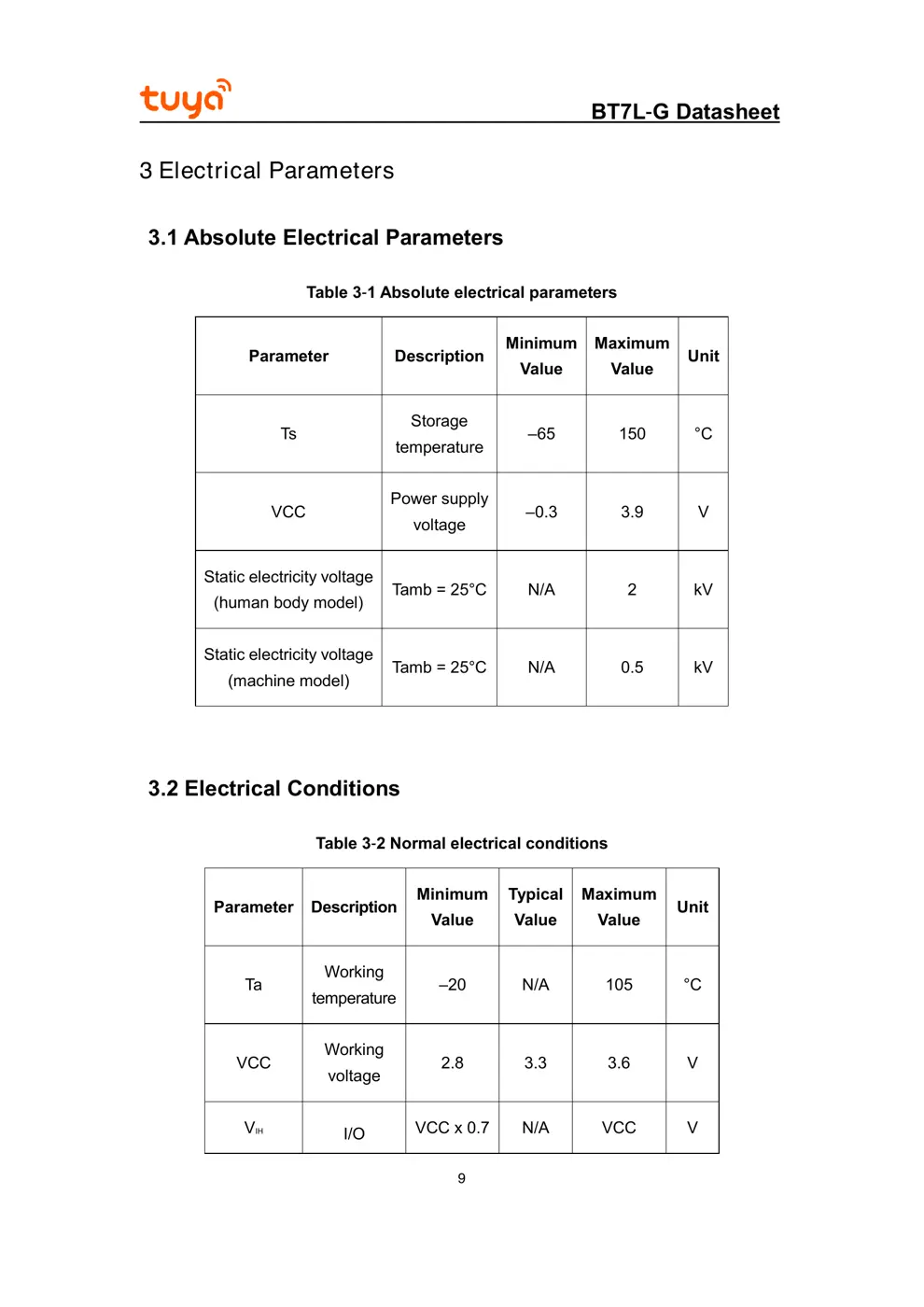
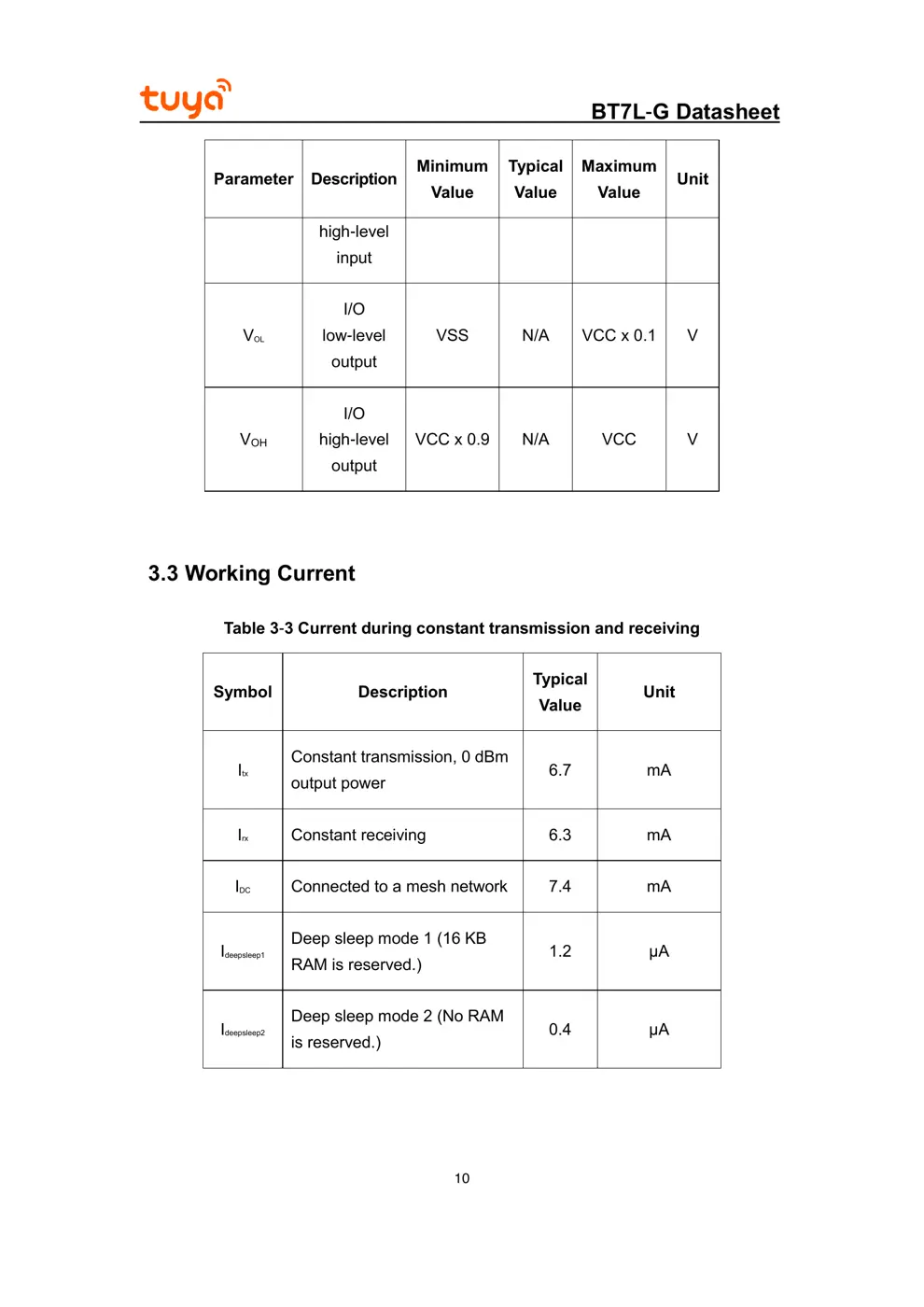
External Photos
Photos of the device exterior:
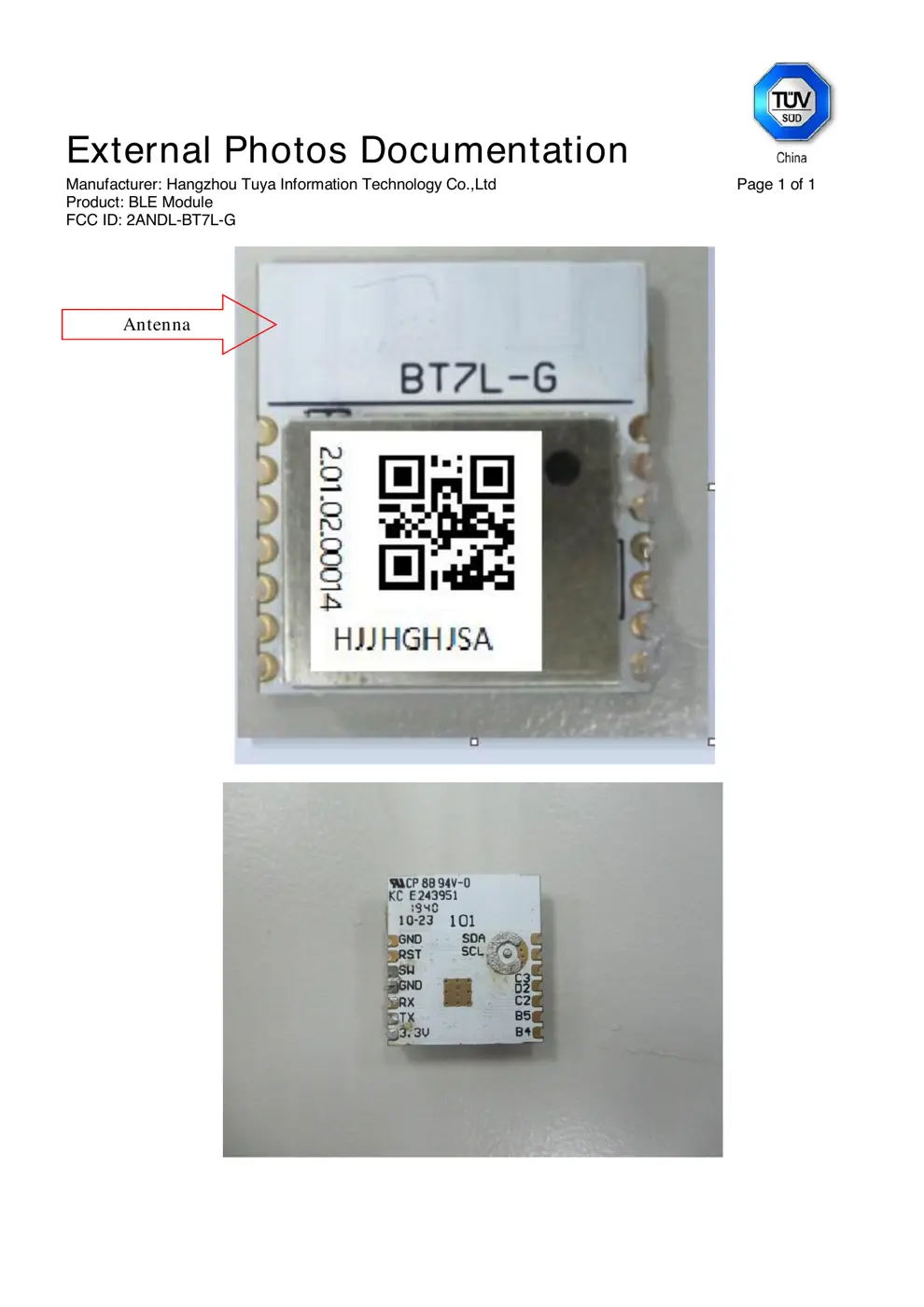
Internal Photos
Teardown photos showing the PCB and components:
Verdict
The G is a WiFi device from the Tuya / Smart Life ecosystem.
📄 Click to view full text manual (SEO)
1 Product Overview
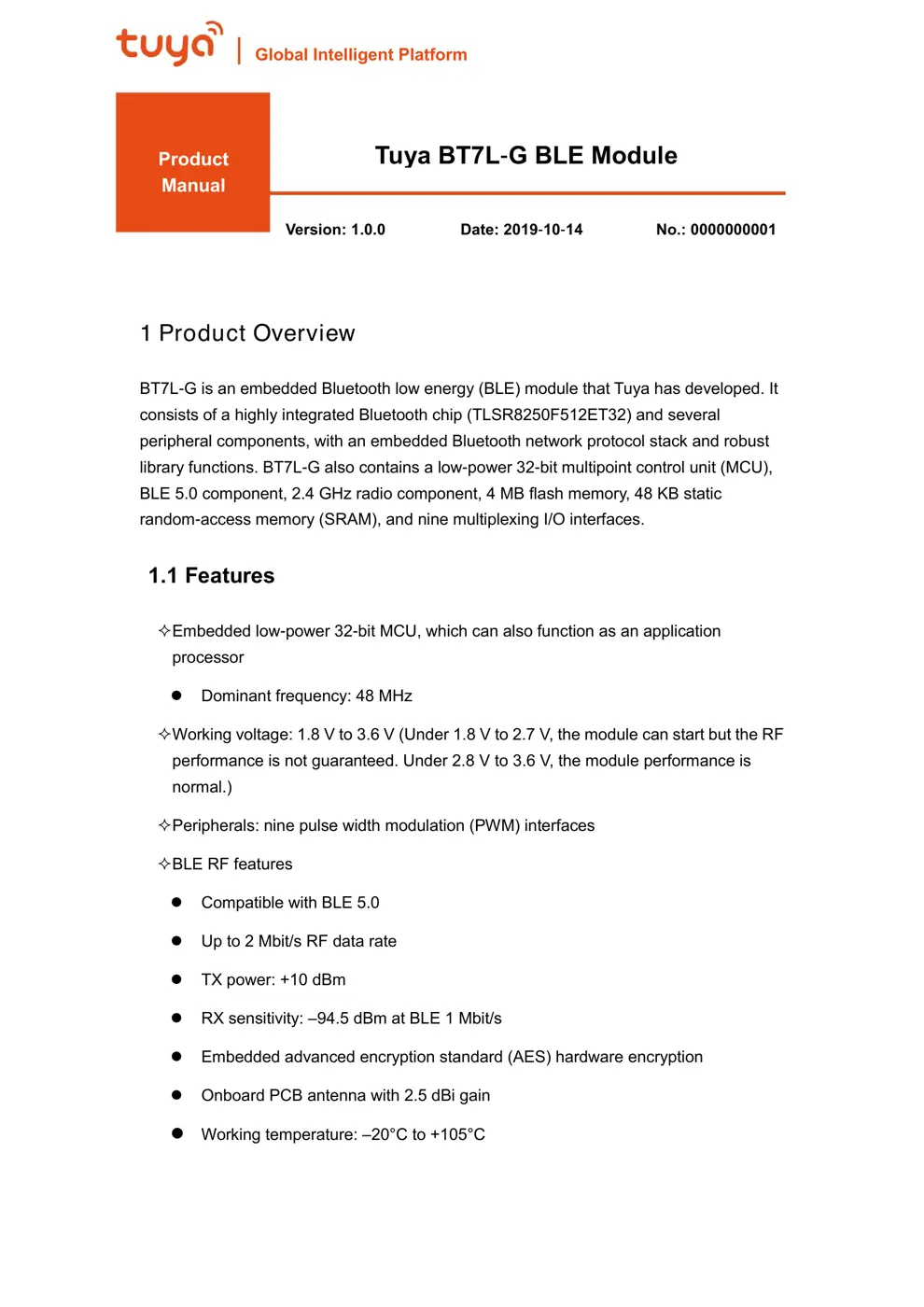
BT7L-G is an embedded Bluetooth low energy (BLE) module that Tuya has developed. It
consists of a highly integrated Bluetooth chip (TLSR8250F512ET32) and several
peripheral components, with an embedded Bluetooth network protocol stack and robust
library functions. BT7L-G also contains a low-power 32-bit multipoint control unit (MCU),
BLE 5.0 component, 2.4 GHz radio component, 4 MB flash memory, 48 KB static
random-access memory (SRAM), and nine multiplexing I/O interfaces.
1.1 Features
 Embedded low-power 32-bit MCU, which can also function as an application
processor
⚫ Dominant frequency: 48 MHz
 Working voltage: 1.8 V to 3.6 V (Under 1.8 V to 2.7 V, the module can start but the RF
performance is not guaranteed. Under 2.8 V to 3.6 V, the module performance is
normal.)
 Peripherals: nine pulse width modulation (PWM) interfaces
 BLE RF features
⚫ Compatible with BLE 5.0
⚫ Up to 2 Mbit/s RF data rate
⚫ TX power: +10 dBm
⚫ RX sensitivity: –94.5 dBm at BLE 1 Mbit/s
⚫ Embedded advanced encryption standard (AES) hardware encryption
⚫ Onboard PCB antenna with 2.5 dBi gain
⚫ Working temperature: –20°C to +105°C
Version: 1.0.0
 Date: 2019-10-14
 No.: 0000000001
Tuya BT7L-G BLE Module
Product
Manual
Global Intelligent Platform
 BT7L-G Datasheet
2

1.2 Applications
 Smart LED lights
 Smart households
 Smart low-power sensors

 BT7L-G Datasheet
3

Change History
No. Date Change Description Version After
Change
1 2019-10-14 This is the first release. 1.0.0
 BT7L-G Datasheet
4

Contents
1 Product Overview ............................................................................................................. 1
1.1 Features.................................................................................................................. 1
1.2 Applications ............................................................................................................ 2
Change History .................................................................................................................... 3
2 Module Interfaces ............................................................................................................. 6
2.1 Dimensions and Footprint ...................................................................................... 6
2.2 Interface Pin Definition ........................................................................................... 7
3 Electrical Parameters ........................................................................................................ 9
3.1 Absolute Electrical Parameters .............................................................................. 9
3.2 Electrical Conditions ............................................................................................... 9
3.3 Working Current ................................................................................................... 10
4 RF Features ..........................