R8814 Reset & Teardown (FCC ID 2ANDLTY-R8814)
Factory reset and internal photos for Generic IoT R8814. Unknown smart plug.
January 15, 2026
•
9 read

Before you buy the Generic IoT R8814, check what's inside.
The R8814 is a WiFi-enabled video doorbell designed for home security. It connects to mains power and requires a WiFi network for remote access and notifications.
⚠️ NOTE: Ensure proper installation of mains voltage wiring by a qualified electrician to avoid electrical shock and fire hazards.
Quick Specs
- Manufacturer: Generic IoT
- Model: R8814
- Protocol: WiFi
- Chipset: Unknown
- Ecosystem: Unknown
- App: Unknown
🔧 Geek Corner (Flashing Info)
- Chipset: ESP32
- Flashable: ✅ Yes
- Info: Likely uses an ESP32 chipset, which is generally flashable with custom firmware.
User Manual
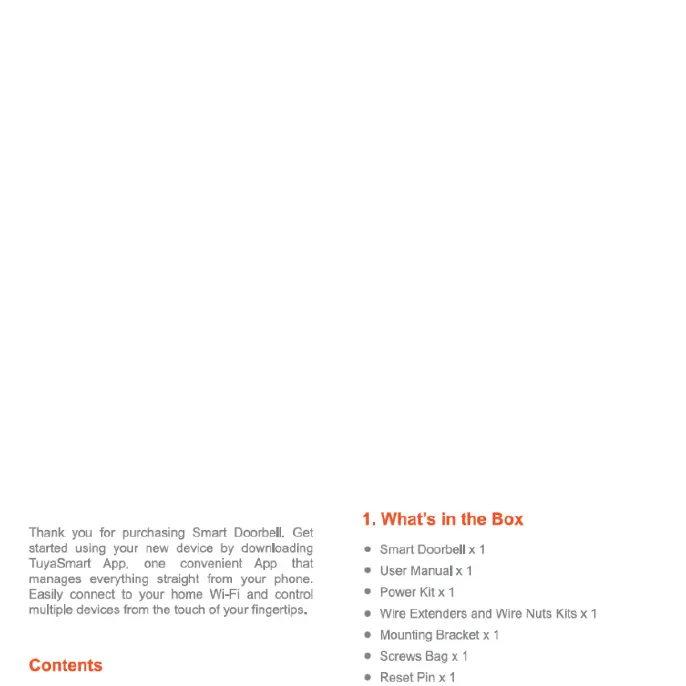
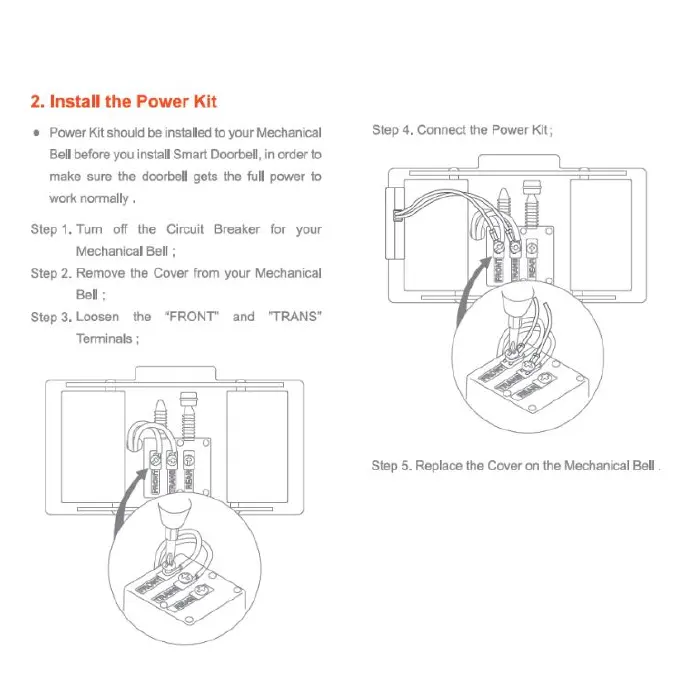
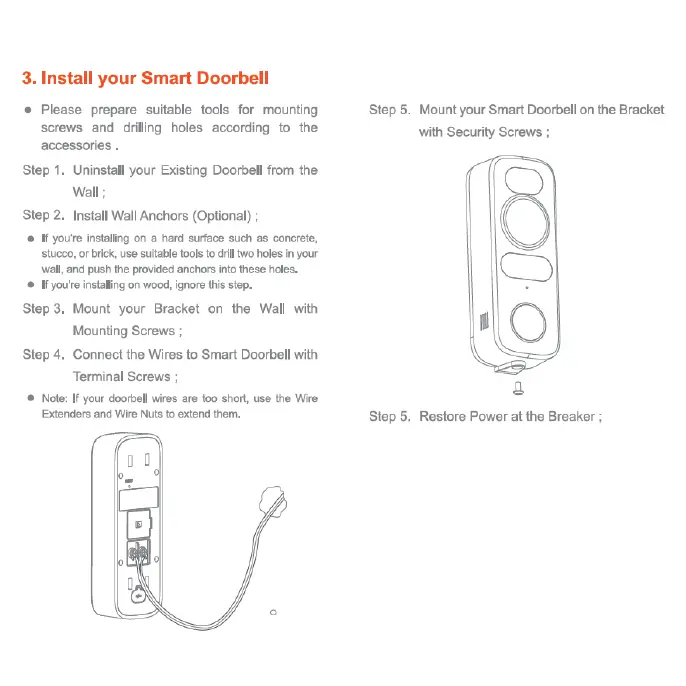
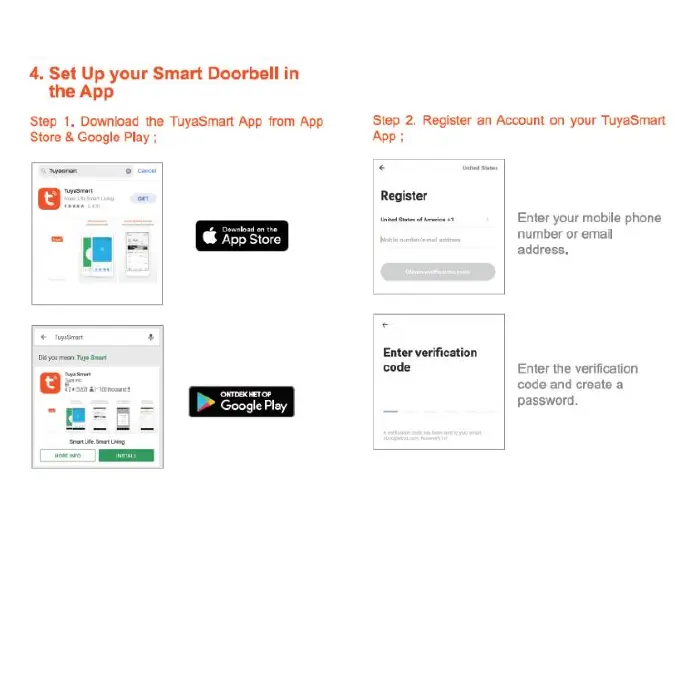
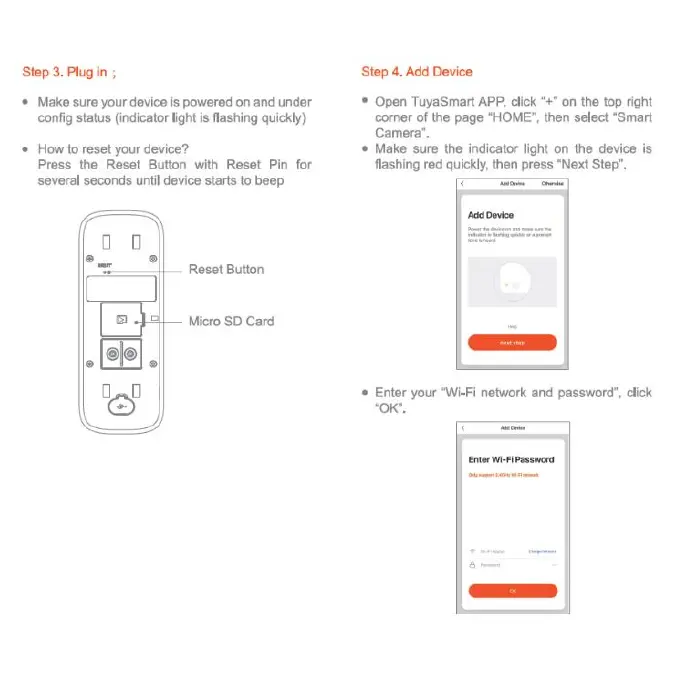
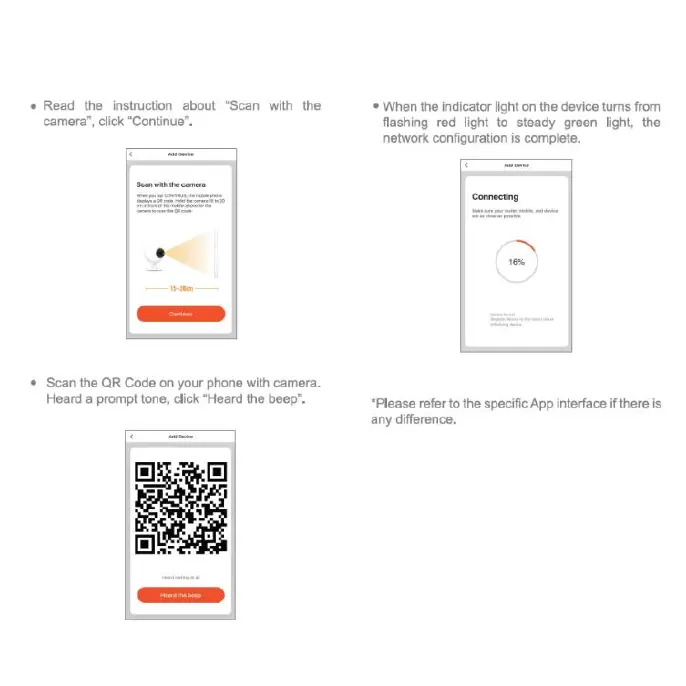
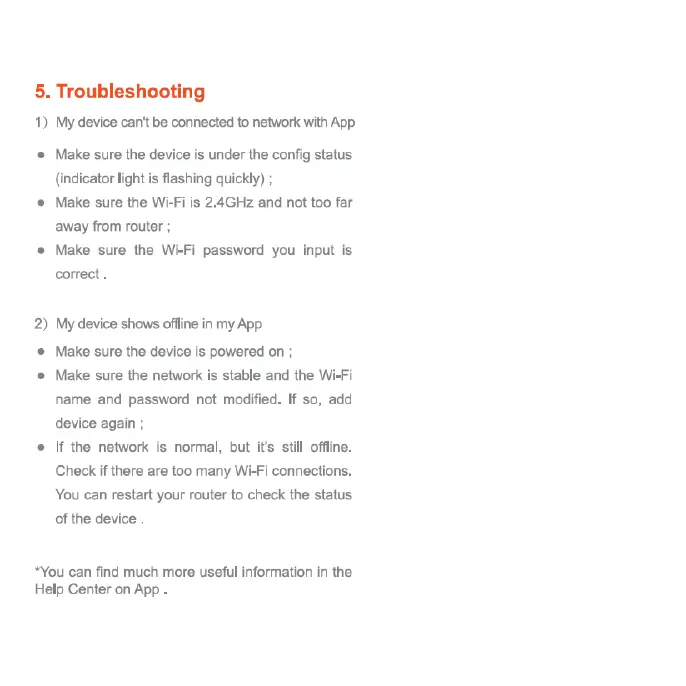
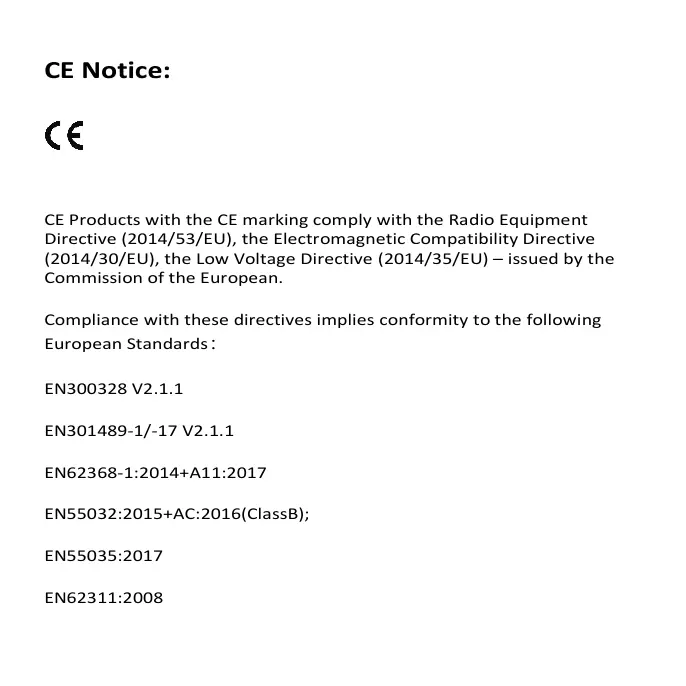
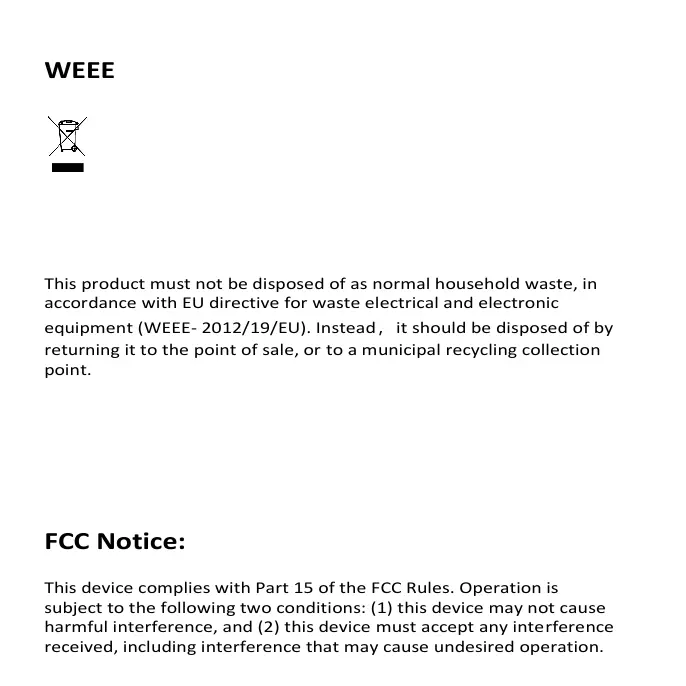
Scanned pages from the official user manual:

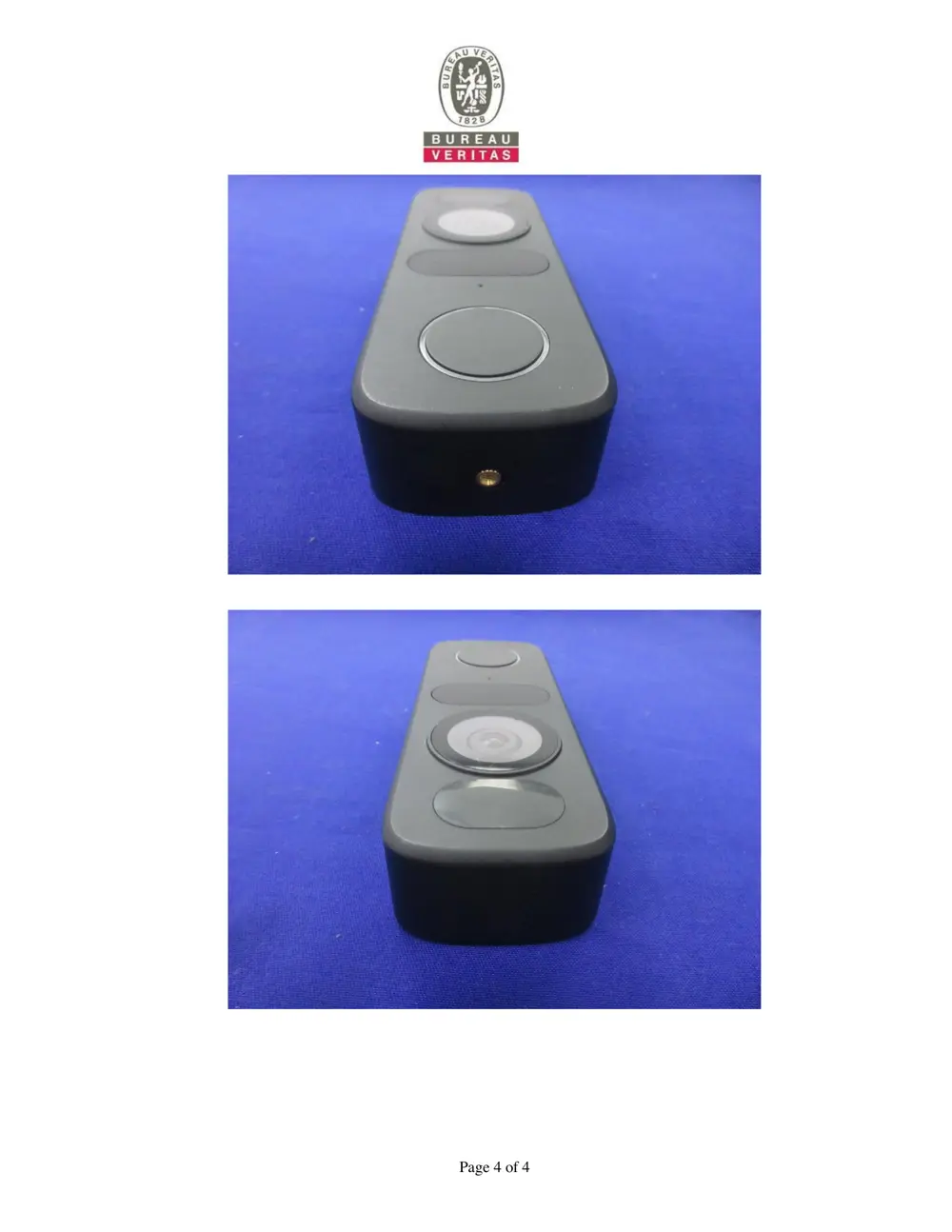
External Photos
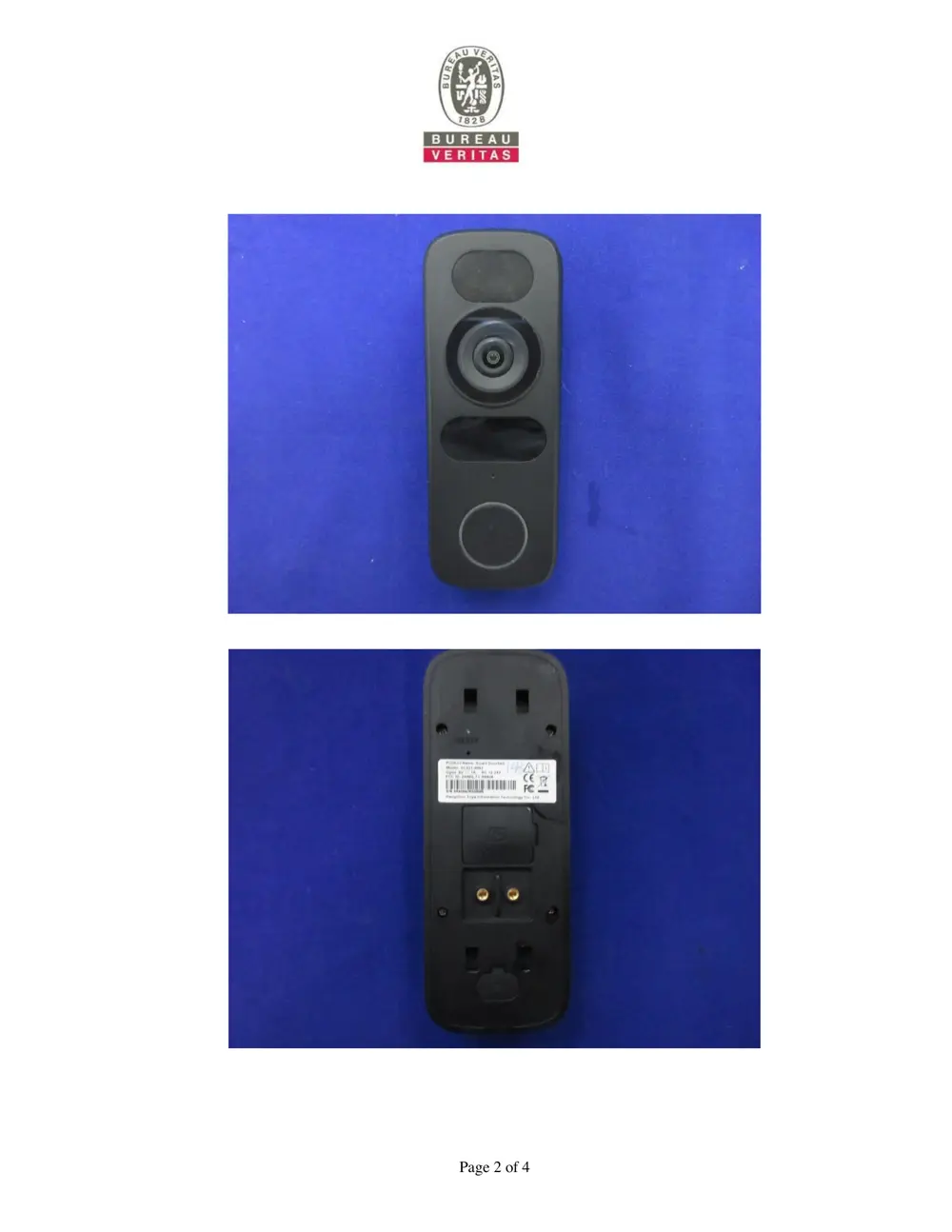
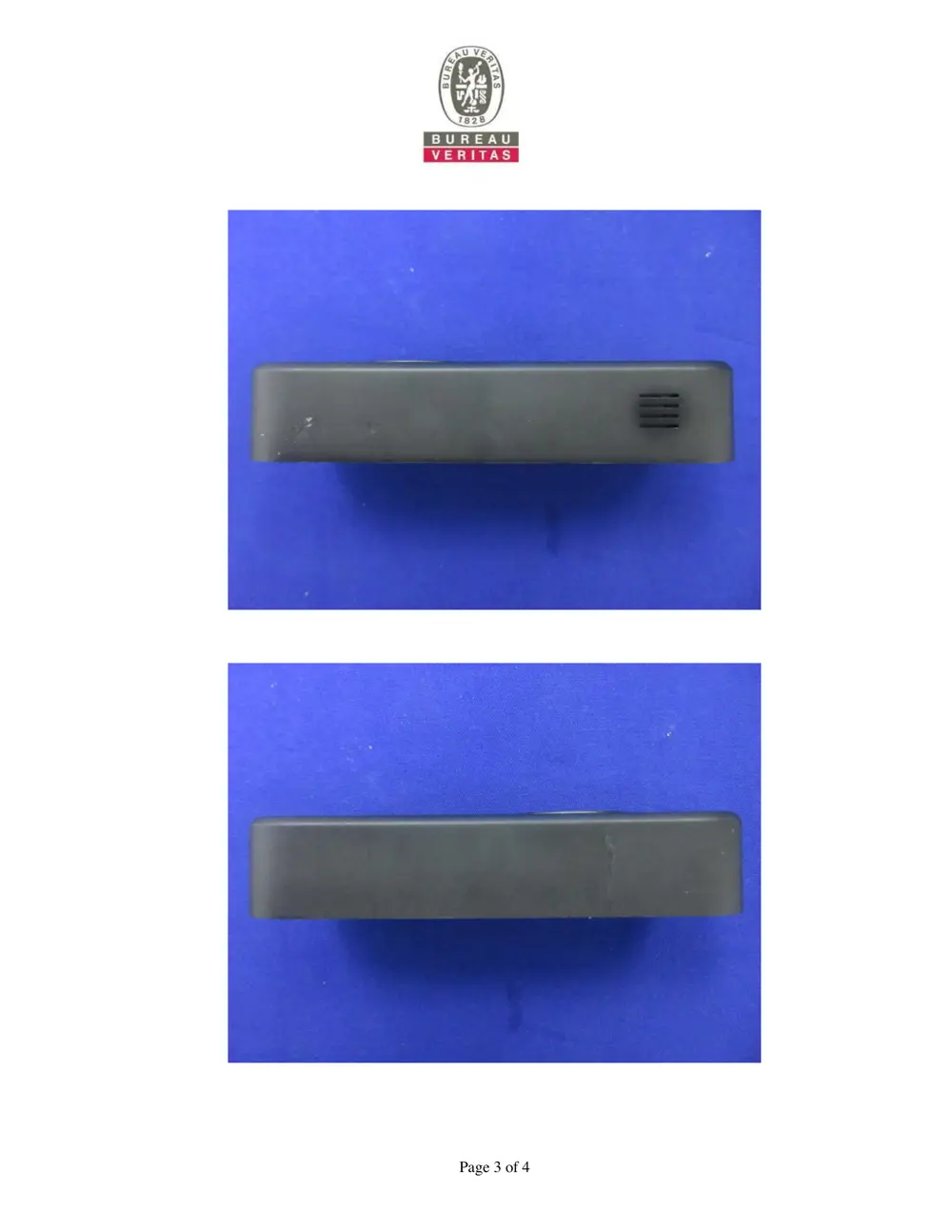
Photos of the device exterior:

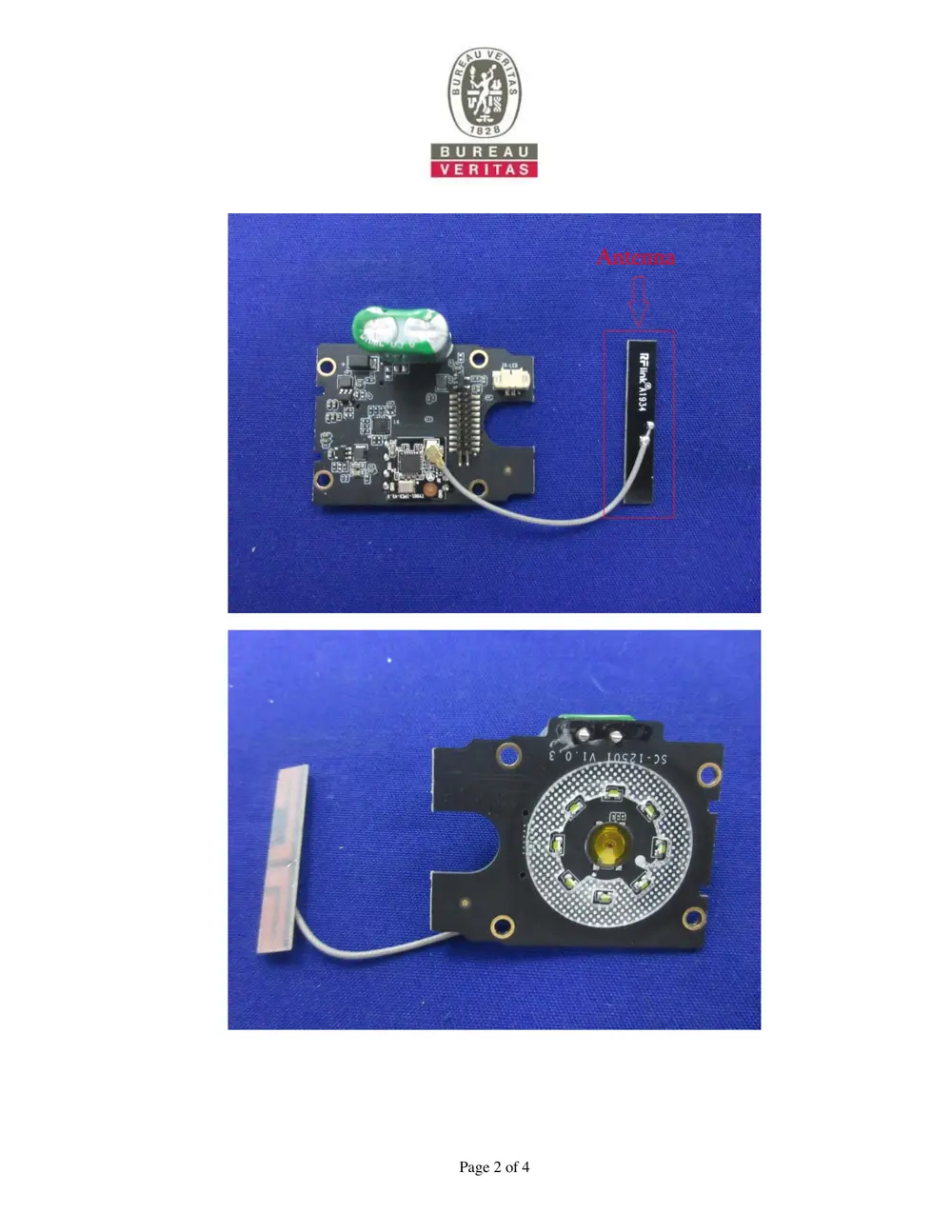
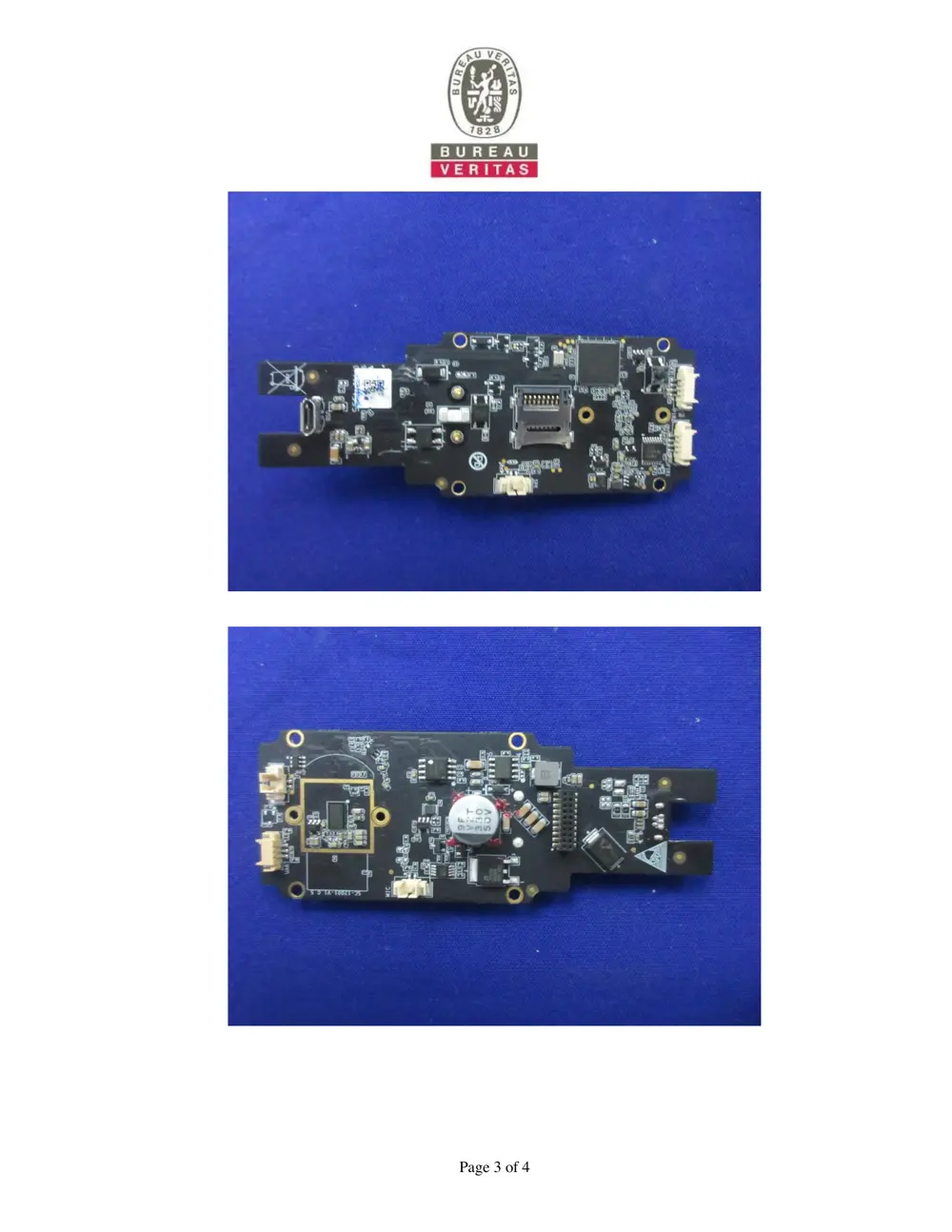
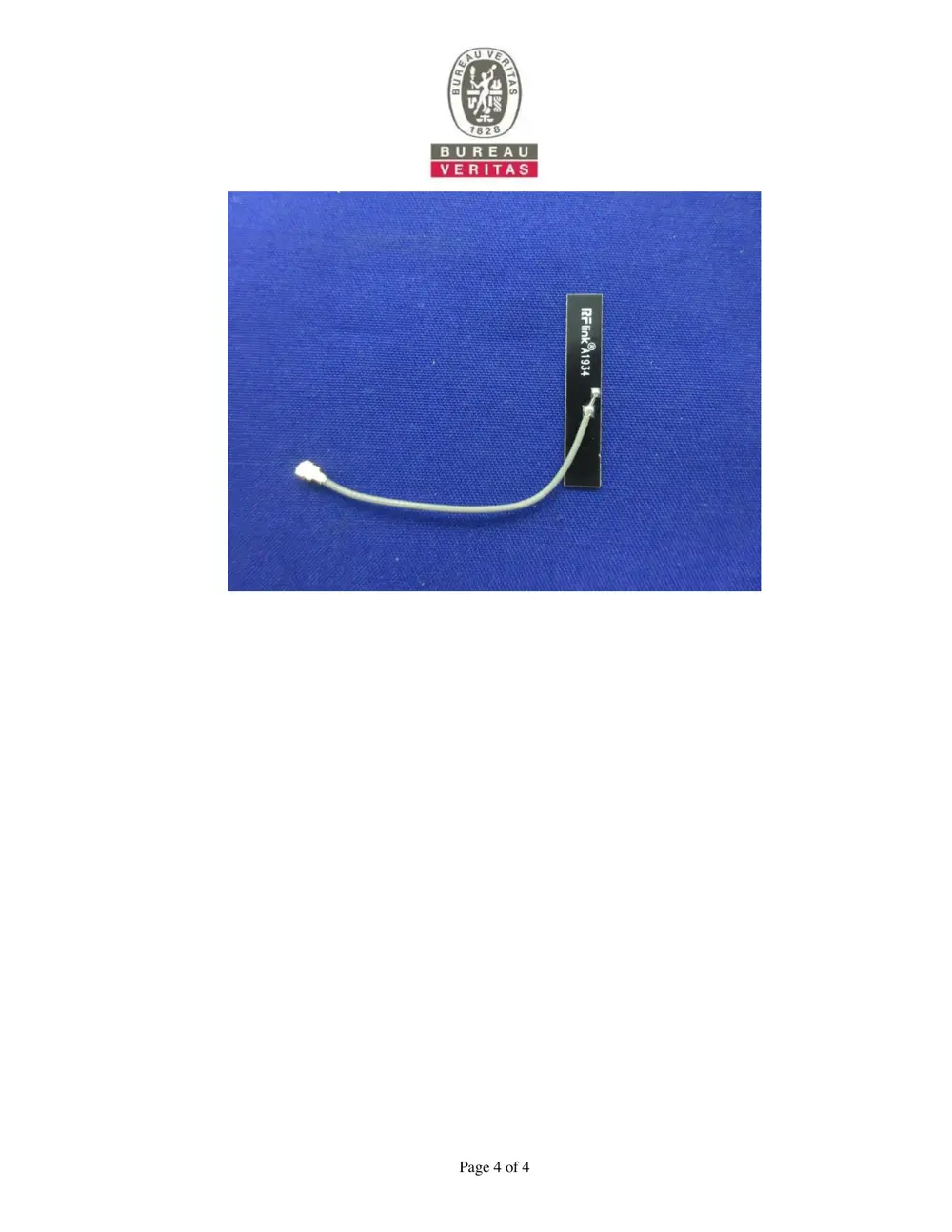
Internal Photos
Teardown photos showing the PCB and components:
Verdict
The R8814 is a WiFi device from the Unknown ecosystem.
📄 Click to view full text manual (SEO)
VIDEO DOORBELL
USER MANUAL

CE Notice:

CE Products with the CE marking comply with the Radio Equipment
Directive (2014/53/EU), the Electromagnetic Compatibility Directive
(2014/30/EU), the Low Voltage Directive (2014/35/EU) – issued by the
Commission of the European.
Compliance with these directives implies conformity to the following
European Standards:
EN300328 V2.1.1
EN301489-1/-17 V2.1.1
EN62368-1:2014+A11:2017
EN55032:2015+AC:2016(ClassB);
EN55035:2017
EN62311:2008

WEEE

This product must not be disposed of as normal household waste, in
accordance with EU directive for waste electrical and electronic
equipment (WEEE- 2012/19/EU). Instead,it should be disposed of by
returning it to the point of sale, or to a municipal recycling collection
point.

FCC Notice:
This device complies with Part 15 of the FCC Rules. Operation is
subject to the following two conditions: (1) this device may not cause
harmful interference, and (2) this device must accept any inte rference
received, including interference that may cause undesired operation.

The users manual or instruction manual for an intentional or
unintentional radiator shall caution the user that changes or
modifications not expressly approved by the party resp onsible for
compliance could void the user's authority to operate the equipment.
In cases where the manual is provided only in a form other than
paper, such as on a computer disk or over the Internet, the
information required by this section may be include d in the manual in
that alternative form, provided the user can reasonably be expected
to have the capability to access information in that form.

(b) For a Class B digital device or peripheral, the instructions furnished
the user shall include the following or similar statement, placed in a
prominent location in the text of the manual:
NOTE: This equipment has been tested and found to comply with t he
limits for a Class B digital device, pursuant to Part 15 of the FCC Rules.
These limits are designed to provide reasonable protection against
harmful interference in a residential installation. This equipment
generates, uses and can radiate radio frequency energy and, if not
installed and used in accordance with the instructions, may cause
harmful interference to radio communications.

However, there is no guarantee that interference will not occur in a
particular installation. If this equipment does cause harmful
interference to radio or television reception, which can be
determined by turning the equipment off and on, the user is
encouraged to try to correct the interference by one or more of the
following measures:
-- Reorient or relocate the receiving antenna.
-- Increase the separation between the equipment and receiver.
-- Connect the equipment into an outlet on a circuit different from
that to which the receiver is connected.
-- Consult the dealer or an experienced radio/TV technician for he lp.

RF exposure warning

This equi...